Eat Healthy on a Budget
Build filling, nutritious meals around affordable staples while reducing waste and expensive defaults.
 Ask Murph to help
What to do
Build the shopping list around four categories:
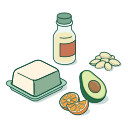
- Affordable protein: beans, lentils, eggs, tofu, canned tuna or salmon, peanut butter, yogurt, chicken thighs, or whatever is cheap locally.
- Filling carbohydrates: oats, rice, potatoes, corn, pasta, bread, or other grains.
- Produce you'll actually eat: frozen vegetables, cabbage, carrots, onions, bananas, apples, canned tomatoes, or seasonal options.
- Flavor: oil, spices, salsa, soy sauce, cheese, citrus, or a sauce that makes staples enjoyable.
Compare unit prices only when you'll use the larger amount; a bulk package that gets thrown out saved nothing. Before buying more, plan one meal around what's already in the kitchen.
A simple plan
Choose five cheap meals that share ingredients: bean tacos, lentil soup, eggs with potatoes and vegetables, pasta with beans and tomato sauce, rice bowls with frozen vegetables and tofu or chicken.
Week one: record the grocery bill and the food you threw away, without judgment. Week two: replace one expensive convenience purchase with a prepared backup. Week three: test one lower-cost protein swap. Week four: set up a “use first” shelf in the refrigerator and freeze portions before they become unwanted leftovers.
Keep one no-cook option for days when time or utilities are short. A peanut-butter sandwich with fruit, canned fish with crackers and vegetables, or shelf-stable milk and cereal is a real meal.
How to know it is working
What to expect
If you get stuck
Make it last
Keep a “price and use” list for the ten foods that carry most meals: usual price, cheapest practical package, and how to store it. Rotate only one or two sale items in at a time so discounts don't turn into waste. Freeze bread, meat, cooked grains, and leftovers in usable portions.
Revisit the budget monthly and whenever rent, benefits, work hours, or household size changes. A week with more convenience food still counts if it prevented skipped meals. Share shopping and cooking when you can, and use community resources before the pantry is empty. Don't compare your basket with an influencer's specialty groceries. Cover enough food first, then work on variety and preference. More money doesn't automatically mean healthier; keep the affordable staples that already work.