Follow My Sleep Apnea Plan
Organize prescribed sleep apnea care, track use and comfort, and prepare questions for your treating team.
 Ask Murph to help
What to do
- Confirm the diagnosis with an appropriate home sleep apnea test or laboratory sleep study. A smartwatch alert or snoring app can prompt the conversation, not make the diagnosis.
- Go over severity, symptoms, anatomy, sleep position, other conditions, and your preferences with a sleep clinician.
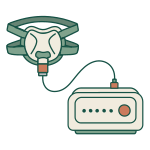
- Use the prescribed treatment consistently. Positive airway pressure (PAP) is a common first-line option; fitted oral appliances, positional therapy, weight management, surgery, or other approaches may suit selected cases.
- Fix comfort problems early; mask leak, pressure discomfort, dry mouth, congestion, skin irritation, and swallowed air usually have specific fixes.
- Limit alcohol near bedtime, and ask the prescriber to review sedating medicines that may worsen breathing.
- Treat relevant nasal obstruction, stay active, and follow a body-weight plan you can keep up where that applies.
A simple plan
Start with a clear baseline: diagnosis date, apnea-hypopnea index (AHI, the average number of breathing events per hour) from the study, oxygen findings, main symptoms, blood pressure if relevant, and the treatment recommendation. Put the next appointment or equipment step on the calendar.
For the first month, review progress weekly. If you use PAP, note nights used, rough hours, leak or mask problems, and whether daytime sleepiness or morning headaches are easing. Don't chase a perfect machine score; use it to find a barrier you can fix.
Bring the machine or app report and a short symptom summary to follow-up. Ask whether remaining breathing events, pauses that appear during treatment, mask leak, or pressure settings need adjusting. If the first treatment is intolerable, discuss alternatives rather than quietly dropping care.
How to know it is working
Effective control combines objective and lived outcomes: treatment used through most of the sleep period, remaining breathing events acceptably controlled for your situation, oxygen no longer dropping repeatedly, and improvement in gasping, morning headaches, waking to urinate, or daytime sleepiness.
Not everyone feels dramatically different, especially if sleepiness was never prominent, but treatment still has value. Nor does feeling better prove the breathing events are controlled; use follow-up data and symptoms together.
If you get stuck
For PAP problems, name the exact barrier. Leak may need a different mask size or style, dryness may need heated humidification, and nasal congestion needs its own treatment. Pressure intolerance may improve with a gentler start-up pressure, easier exhalation, or a clinical settings review. Don't change prescribed pressure ranges without the treating team.
For oral appliances, use one provided and monitored by a qualified dentist, and confirm it works with follow-up sleep testing. After meaningful weight change, repeat testing may be needed; don't assume the apnea is gone. Positional devices help only when events are truly position dependent.
If sleepiness persists despite well-controlled apnea, look for short sleep, insomnia, restless legs, medication effects, depression, or another sleep disorder.