Understand My A1C
Understand what A1C measures, how to read results in context, and what to discuss with your clinician.
 Ask Murph to help
A1C estimates average glucose over roughly the past two to three months, weighted toward recent weeks. Lowering it can reduce diabetes complications, but lower is not always better. The right goal depends on diabetes type, age, pregnancy, other illnesses, hypoglycemia risk, medication burden, and your priorities.
Treat A1C as a summary, not a report card. It can’t show whether the same average came from steady glucose or frequent highs and lows, and conditions that change red blood cells can make it misleading. A good plan improves daily glucose safely and uses A1C to confirm the longer-term direction.
What to do
- Take prescribed medicine consistently. If cost, side effects, injections, or a complicated schedule get in the way, say so. A simpler plan you follow usually beats an ideal plan you can’t.
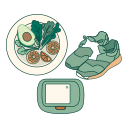
- Build meals that soften big glucose rises. Pair carbohydrate foods with protein, fiber, and unsaturated fat. Favor beans, intact whole grains, vegetables, fruit, and minimally processed foods; cut sugary drinks and repeated refined snacks.
- Adjust portions and timing where your data shows a pattern. You don’t need to eliminate carbohydrates. Find the meal or drink that keeps producing an unwanted rise and change one variable.
- Move after meals and across the week. Even a 10- to 15-minute walk after a meal can help that period’s glucose. Regular aerobic activity and strength training improve insulin action more broadly.
- Lose weight at a pace you can keep, if appropriate. For many people with type 2 diabetes, losing excess body fat improves glucose substantially. The method should preserve nutrition and be maintainable.
- Protect sleep and deal with stress. Poor sleep, sleep apnea, illness, pain, and stress hormones can raise glucose and make habits harder.
- Monitor with a question in mind. Finger-stick or continuous glucose data is useful when it changes a meal, medication, or activity decision, not when it becomes constant checking without action.
A simple plan
Start with your current A1C, medications, and a week of ordinary meals and activity. Find one recurring high-glucose period or one major adherence gap. Pick two changes for four weeks: perhaps take every prescribed dose and walk after dinner, or replace a daily sweet drink and add protein and fiber at breakfast.
If you monitor glucose, collect just enough data to test the change. Compare similar meals or times rather than isolated readings, and review lows as carefully as highs. Then hold the plan until the next A1C at the interval your clinician recommends, usually long enough for a real trend to show.
How to know it is working
What to expect
Daily readings can change within days; A1C moves over months. A medication change may do more than a single food swap. Illness, steroids, sleep loss, and travel can disrupt results for a while. The aim is a safer overall pattern held without frequent lows or an unmanageable burden, not a flawless line.
If the next A1C improves, work out which parts of the plan you can keep for a year. Drop tracking that no longer changes decisions, keep the easiest effective meals and movement, and arrange refills and follow-up. Maintenance is its own phase, not maximum effort continued forever.