Sleep Better While Traveling
Preserve useful sleep through flights, unfamiliar rooms, changed routines, and busy travel days.
 Ask Murph to help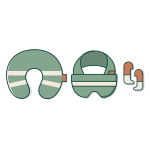
What to do
- Put sleep on the itinerary. If an early flight means a 4 a.m. wake-up, the night before isn't a normal night; cut evening commitments or plan recovery.
- Pack a small, reliable kit: eye mask, earplugs, a charging cable that keeps the phone away from the pillow, and any prescribed sleep or breathing equipment.
- Keep one or two familiar cues, like the same book, audio, or five-minute routine, to take the friction out of a new room.
- On arrival, check the room before bedtime: adjust temperature, cover blinking lights, set out water and essentials, and deal with noise while you still have options.
- Keep caffeine and alcohol deliberate; travel invites both at odd times, and they can push sleep in opposite directions.
- Get daylight and movement during the day. If time zones changed, follow a jet-lag plan instead of treating every exposure alike.
A simple plan
The day before departure, name the trip's three hardest sleep moments: perhaps the early alarm, the overnight flight, and the first hotel night. Give each a response: an earlier bedtime for two nights, an eye mask during destination nighttime, a call ahead for a quiet room, or a short recovery nap.
At the hotel, set a wake time based on the trip's purpose and leave enough room for sleep. Run a short version of your home routine. If you're awake after arrival, don't turn the bed into a workstation; do something quiet elsewhere until sleepy.
On leisure trips, decide which late nights are worth it. Protect the nights before driving, hiking, racing, presenting, or caring for others. Spend sleep loss where the experience earns it, and recover afterward.
How to know it is working
Look for enough total sleep across the trip, fewer long awakenings from preventable room problems, and enough alertness for the day's activities. One poor first night doesn't mean the routine failed. Compare this trip with similar trips, not an ideal week at home.
A wearable may show rough timing, but unfamiliar motion, time-zone changes, and device clock settings can make travel data messy. Staying awake safely and enjoying the day matter more.
If you get stuck
Separate schedule from environment. If you're sleepy at the wrong local time, use a jet-lag plan. If you're tired but can't settle, cut stimulation and bring back a familiar cue. If noise, temperature, or bedding is the problem, ask the hotel for a change rather than trying to meditate through it.
If you use CPAP, bring the equipment, power adapters, and a backup plan for water or battery needs. Don't casually swap prescribed treatment for a travel gadget.