Sleep Better With Chronic Pain
Reduce the cycle in which pain disrupts sleep and poor sleep makes pain harder to manage the next day.
 Ask Murph to help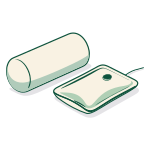
What to do
- Name the sleep problem the pain causes: trouble finding a position, repeated awakenings, medication wearing off, fear of movement, or being exhausted but alert.
- Review the pain treatment plan with the relevant clinician. Timing of physical therapy, activity, and prescribed medicine may matter.
- Use supportive positioning for your condition, changing pillows or supports one at a time and stopping if they cause new numbness or pain.
- Keep a consistent wake time and stay out of bed most of the day to protect sleep drive and keep bed a cue for sleep.
- Pace daytime activity. Almost nothing after a bad night and too much on a good day can create a boom-and-bust cycle.
- Use a calm reset when you're awake: gentle repositioning, slow breathing, or a quiet activity out of bed can reduce the fight with sleep.
A simple plan
For two weeks, record bedtime, pain at bedtime from 0 to 10, pain-related awakenings, and next-day function. Keep it short so it doesn't become more symptom monitoring.
Choose one sleep change, such as a fixed wake time or leaving bed when frustration builds, and one pain change, such as a physical-therapy exercise, an activity-pacing plan, or a clinician-approved change to the timing (not the dose) of existing treatment.
Set up the bedside before you're tired: supports, water, and any prescribed tools. If pain wakes you, run the same brief sequence rather than hunting for new techniques at 3 a.m. Review the pattern weekly with your clinician when medication or treatment decisions are involved.
How to know it is working
Look past pain intensity. Progress means fewer long awakenings, less time fighting for a comfortable position, more confidence about sleep, and better next-day function, even if pain itself remains.
Wearables can't tell whether pain caused an awakening and may count still, uncomfortable wakefulness as sleep; your diary and function matter more. Judge the plan over weeks, since both pain and sleep naturally vary.
If you get stuck
More time in bed feels like the obvious answer, but it can reduce sleep drive and add time awake in pain. If the plan is getting more restrictive, ask for CBT-I adapted for chronic pain. Behavioral pain therapy can also address fear, pacing, and the attention pain demands.
Review medicines that affect sleep. Opioids can worsen sleep-related breathing, some medicines sedate without restorative sleep, and others may wear off overnight. Never change or combine them without the prescriber. Loud snoring, gasping, or severe daytime sleepiness deserves evaluation.