Sleep Better With Noise
Reduce or mask disruptive sound while keeping alarms and other important signals safe and audible.
 Ask Murph to help
What to do
- Identify the sound and its path. Street noise through a window, footsteps overhead, and a phone in the room each need a different fix.
- Move the bed off the shared wall or window if you can. Seal door and window gaps; add heavier curtains or soft furnishings.
- Fix the sources you control: notifications, appliance timers, pet routines, quiet hours, a word with neighbors or building management.
- Try comfortable earplugs with a suitable noise-reduction rating. Fit matters more than the highest number.
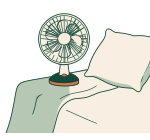
- Use a fan, white noise, pink noise, or another steady sound to reduce contrast. Keep it just loud enough to cover the peaks.
- Keep smoke alarms, carbon-monoxide alarms, baby monitors, medical alerts, and any wake alarm you truly need audible.
A simple plan
For three nights, note the main noise, roughly when, and whether it delayed sleep or woke you. Then add one layer at a time.
First, remove an internal source: silence nonessential notifications, lubricate a door, change a pet feeder, or set quiet hours. Second, block the path with a door sweep, window seal, rug, or a moved bed. Third, test earplugs or steady background sound.
Give each setup at least three comparable nights. With earplugs, test the alarm by day; use a vibrating or light-based alert if hearing it is unreliable. Put a sound machine between you and the noise, not beside your head.
Agree on a fallback before an important morning. During planned construction, a quieter room, guest space, or hotel beats testing your sound masking before a safety-critical event.
How to know it is working
Count noise-related awakenings and how fast you got back to sleep. Rate comfort and whether you heard needed alarms; a quieter reading means little if the setup is uncomfortable or unsafe.
You adapt somewhat, but the brain stays responsive to meaningful or changing sound. One bad night during construction or a storm does not mean the system failed; judge by ordinary nights.
If you get stuck
Earplugs and curtains may do little against low-frequency bass or structural vibration; building-level fixes, a different room, or a temporary sleep location are more realistic. A partner's snoring is a breathing-health issue, not something to mask forever.
If you become vigilant for sound, the anticipation itself can sustain insomnia. Use CBT-I principles: stop clock checking, leave bed for a calm reset when frustrated, and do not monitor sound all night with an app.
When noise is unavoidable, sleeping separately before an important drive or exam is a practical temporary step, not a permanent lifestyle.