Sleep Through the Night
Reduce long or frequent awakenings and make it easier to return to sleep when normal brief awakenings happen.
 Ask Murph to help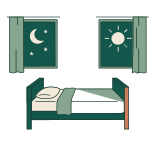
What to do
- Keep a steady wake time and enough sleep opportunity. Irregular timing makes the second half of the night lighter and less predictable.
- Watch the pattern for one week: rough time, likely trigger, whether you got back to sleep. Don't check the clock repeatedly.
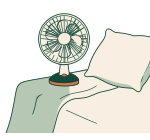
- Reduce obvious disruptions: noise, light, an uncomfortable temperature, a pet, or a partner's snoring.
- If bathroom trips are the issue, shift more fluids earlier while still hydrating normally by day.
- Alcohol makes people sleepy at first and fragments sleep later. Compare nights with and without it.
- After a while awake and frustrated, get up for a quiet, dim activity and return when sleepy, a core principle of behavioral insomnia treatment.
A simple plan
For 14 nights, keep one wake time and pick the most likely cause. Change one thing: fix the room, move alcohol earlier or skip it, finish large meals earlier, or use a calm out-of-bed reset when wakefulness drags on. Track only whether each awakening was brief, moderate, or long, and next-day function.
Layer the trial. Week one, fix only the most obvious physical disruption. Week two, add the consistent response to wakefulness. Keep the first change if it helped; if not, drop it before testing another, or the bedroom fills with machines, supplements, and rules whose value you can't judge.
Timing is a clue. Waking soon after bedtime often tracks with reflux, the room, or going to bed before you're sleepy. Repeated waking in the second half often tracks with alcohol, early light, hot flashes, mood, or too early a bedtime. Bathroom trips can be cause or result: you may wake for another reason and then decide to go.
How to know it is working
Success looks like fewer remembered long awakenings, less worry when one happens, and more rested mornings. That matters more than a wearable's “awake” minutes.
Compare a seven-night baseline with the next seven and ignore isolated spikes. Decide in advance what would count: maybe two fewer long awakenings per week, or returning to sleep with less distress. Remembering a brief awakening doesn't mean the whole night was poor.
When two weeks look similar, use daytime function as the tie-breaker. Less clock watching and calmer awakenings count even before the number changes.