Build Stronger Bones
Support bone strength with progressive loading, enough calcium and protein, vitamin D sufficiency, and treatment when fracture risk is high.
 Ask Murph to help
Strong bones are a package: bone tissue, the muscle around it, balance, and the ability to handle everyday loads without a fracture. Bone density is useful but slow to change, and it misses part of bone quality. What moves this goal is progressive loading, enough building material, avoiding what weakens bone, and medication when fracture risk justifies it.
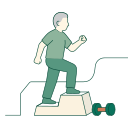
Exercise has to challenge bone and muscle more than daily life does. Walking is excellent for health but rarely a complete bone-building program on its own. Resistance training, impact when safe, and balance work each cover a different part of the job.
What to do
- Strength train two or three times weekly. Squats or sit-to-stands, hinges, pushes, pulls, carries, and calf raises load the major bones and muscles. Add resistance gradually with good technique.
- Add impact if it is safe for you. Brisk stair climbing, jogging, jumping, hopping, or court sports can give bone a stronger stimulus. The right level depends on age, joints, balance, and any existing osteoporosis or fractures.
- Train balance and posture. Single-leg stands, step patterns, tai chi, and targeted physical therapy reduce fall risk. With vertebral fracture risk, back-extensor strength and safe movement technique matter.
- Get enough calcium from food. Dairy or fortified alternatives, calcium-set tofu, canned fish with bones, and some greens are practical sources. Supplement only to fill a real gap.
- Get enough protein and total nutrition. Muscle and bone both need protein, and chronic under-eating can impair both. Spread protein across meals and avoid aggressive weight loss.
- Correct vitamin D deficiency. It helps you absorb calcium, but more is not better once you have enough. Use an appropriate replacement dose, then maintenance.
- Avoid smoking and limit heavy alcohol. Both can weaken bone and raise fall and fracture risk.
- Review medicines and hormone-related risks. Long-term steroids, some cancer treatments, early menopause, low sex hormones, eating disorders, and malabsorption can require clinical treatment.
A simple plan
Take stock of strength, balance, calcium-rich foods, protein, vitamin D risk, smoking, alcohol, past fractures, and medicines. If screening is appropriate, the baseline is a DXA scan and clinical fracture-risk assessment, not an unvalidated consumer bone score.
For 12 weeks, do two full-body resistance sessions a week. Start with loads you can control for 8 to 12 repetitions and progress once they feel easy to repeat. Add two or three short balance sessions and whatever impact or stair work is safe. Include two or three calcium-rich foods, and protein at each main meal.
If osteoporosis treatment is prescribed, taking it as directed and on schedule is part of the plan.
How to know it is working
What to expect
Strength and balance improve within weeks. Bone remodeling takes months to years, and lifestyle alone rarely produces large density gains. Medication can reduce fracture risk even when the density number moves only modestly. Consistency and progressive load beat novelty.
Bone adapts to the loads it receives. If you only cycle or swim, keep them, but add land-based resistance or impact that your joints and fracture risk allow. If you already lift, check that the program really loads the hips, spine, and upper body rather than repeating light, comfortable movements.