Climb Stairs Without Getting Winded
Build the leg strength, pacing, and aerobic capacity to handle everyday stairs with calmer breathing.
 Ask Murph to help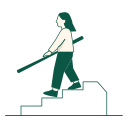
Stairs combine aerobic work with repeated single-leg force, so they feel much harder than level walking. Better general fitness, small doses of stair or hill practice, and stronger legs make them easier. Sprinting the staircase until you're spent does not.
Heavier breathing on stairs is normal. It should fit the task, stay controlled, and settle soon after the top.
What to do
- Walk regularly on level ground to build a base you can recover from.
- Practice stairs or a hill two or three times a week, well below your maximum.
- Start slower than instinct suggests. A steady first flight beats rushing and stopping.
- Use the handrail when you need it; that's not a failed rep.
- Strengthen the main movers with sit-to-stands, step-ups, calf raises, and a hip exercise two days a week.
- Don't test your maximum every session. Build controlled reps instead.
A simple plan
For four weeks, do two stair sessions and two or three easy walks a week. Warm up with five to ten minutes of walking, then climb one flight at a deliberate pace and walk or rest until you can speak comfortably. Repeat three to six times, stopping while your form is still steady.
If repeated stairs irritate your knees, use a modest hill or low step-ups for the second session. Add a rep only after the current number has felt controlled in two sessions, or shorten the recovery slightly. Don't add reps, speed, and shorter rest at once.
Twice a week, do two sets of eight to twelve sit-to-stands, six to ten step-ups per leg, and ten to fifteen calf raises, using a support and step height that let you move smoothly. Add resistance only once the current version is easy and stable.
After four weeks, retest the same staircase at a normal pace, not a race. If breathing and leg comfort are improving, keep going or progress to longer continuous climbing.
How to know it is working
Record flights climbed before you choose to pause, how hard it feels, and roughly how long breathing takes to settle. Improvement can mean easier flights, a shorter pause, or carrying a light bag without losing control.
Keep the comparison honest: stair height, carried load, pace, heat, and whether you'd already been walking all change the result. A heart-rate number is optional; everyday function is what counts.
If you get stuck
If your legs give out first, lean on step-ups, sit-to-stands, and slower stair practice. If breathing is the limiter, add comfortable walking or cycling rather than more all-out stair repeats. If your knees get sore, reduce step height and total reps, use a gentler hill or a bike for a while, and build strength in a comfortable range.
If breathlessness changed suddenly or seems far out of proportion to the task, don't assume it's low fitness. Illness, anemia, heart or lung problems, and medication effects can all change exercise tolerance.