Cut Back on Caffeine
Measure your intake, taper gradually, and change the times and routines that drive caffeine use.
 Ask Murph to help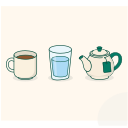
Start with why you want to cut back: better sleep, fewer afternoon jitters, less money on energy drinks, or not feeling unable to function before the first dose. Your target should serve that reason, and it doesn’t have to mean quitting.
Caffeine content varies widely across coffee, tea, soda, energy drinks, supplements, chocolate, and medicines. The FDA says that for most adults, 400 milligrams per day is an amount not generally associated with negative effects, but sensitivity, medications, pregnancy, and health conditions matter. That number isn’t a required target or a guarantee that sleep will be unaffected.
What to do
- Measure before changing. For three to seven days, record each caffeinated item, serving size, time, and the best caffeine estimate from the label or vendor. Include pre-workout products and over-the-counter medicines.
- Name the outcome you want. Pick one reason: better sleep, fewer palpitations, less anxiety, fewer headaches between doses, or less reliance. That decides whether total amount, late timing, or one product is the main target.
- Reduce gradually. Stopping abruptly after regular high intake can bring headache, fatigue, irritability, nausea, and trouble concentrating. Step down in small increments you can tolerate.
- Move caffeine earlier. If sleep is the goal, remove the latest serving first and watch what changes. Research shows caffeine can reduce total sleep time, and the effect depends on dose, timing, and the individual.
- Use smaller or lower-caffeine options. A smaller cup, half-caf, decaf, tea, or fewer scoops makes the reduction concrete and keeps part of the ritual.
- Fix the reason for the refill. If the 3 p.m. drink is covering for a short night, a skipped lunch, dehydration, or a workday with no breaks, deal with that directly.
A simple plan
Track one ordinary week. Work out a rough daily total and find your latest dose and your least valued dose. Choose a first reduction small enough to repeat, such as a smaller serving or a partial switch to decaf, and hold it for several days.
Next, set a personal caffeine window anchored to your sleep rather than a universal cutoff. Move the latest dose earlier, keep the rest of the routine stable for a week, and note bedtime, time to fall asleep, awakenings, and next-day energy.
Have substitutes ready before the usual cue: decaf, herbal tea, sparkling water, food, or a short movement break. When you’re tired, decide whether the honest fix is caffeine, rest, light, food, or a lighter workload.
Review weekly. Compare average caffeine, latest-use time, sleep, headaches, jitters, and daytime function. Keep reducing only if it serves the reason you chose. Many people do better with a stable moderate pattern than with cycles of heavy use and abrupt abstinence.
How to know it is working
Watch intake (a rough daily milligram estimate or a count of servings), timing (the last caffeinated item of the day), and function (sleep, morning alertness, headaches, anxiety or shakiness, digestion, and getting through a routine without an unplanned dose).
A good plan is predictable and tolerable. If sleep is the goal, look at weekly patterns rather than one tracker score or one odd night.
If you get stuck
If withdrawal keeps derailing the plan, slow the taper and make each step smaller. Check for hidden caffeine in energy shots, supplements, pain relievers, and large café servings. Keep wake time, meals, hydration, and morning light reasonably consistent so every dip in energy isn’t treated with caffeine.
If you work nights or irregular shifts, plan within your actual schedule: use caffeine deliberately near the start of the wake period and not close to intended sleep. Persistent excessive sleepiness deserves evaluation, not ever-escalating stimulants.