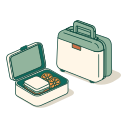
Eat Regular Meals
Build a dependable meal rhythm that fits your real schedule and keeps energy and appetite steady.
 Ask Murph to help
What to do
Pick three daily "food windows" tied to your schedule, for example after waking, during a work break, and after work. Decide the minimum viable meal for each:
- yogurt, fruit, and oats;
- a sandwich plus vegetables or fruit;
- leftovers, a frozen meal improved with produce, or a grain-protein-vegetable bowl.
Keep one shelf-stable or frozen backup at work, in a bag, or at home. On unusually busy days, eat the backup instead of waiting until the plan is impossible.
A simple plan
Plan two levels for the next four weeks: the intended meal and the minimum viable version.
In week one, put three eating windows on your actual calendar. Each needs a protected opportunity, not an exact time. Write down what usually gets in the way: no morning appetite, meetings through lunch, a long commute, childcare, or forgetting to shop.
In week two, assign an intended meal to each window, such as oats, yogurt, and fruit; leftovers or a sandwich with produce; or a grain, protein, and vegetable. Then write a five-minute backup for each: fortified cereal and milk, a shelf-stable tuna or bean packet with crackers, a frozen meal, or a peanut-butter sandwich and fruit.
In week three, put the backups where the missed meal happens: at work, in a bag, or in the freezer. Use calendar reminders for now if hunger cues or a busy schedule don't prompt you to eat.
In week four, review spacing and portions. If you're ravenous at night, lunch or the afternoon snack may need more protein, carbohydrate, or total energy. If meals feel forced, smaller portions and a planned snack may work better. You don't have to eat breakfast just because it's called breakfast, as long as the first meal serves your energy and health needs.
How to know it is working
What to expect
If you get stuck
Make it last
Use a routine that survives schedule changes: a weekday version, a weekend version, and an emergency version rather than one timetable for everything. Refill work, car, or travel backups on a set day.
Review the plan when activity, appetite, medication, or shift work changes. Someone starting morning training may need an earlier chance to eat; someone starting a GLP-1 may need smaller, more frequent food; a night-shift worker may need meals anchored to wake time rather than the clock. Don't force meals just to keep a streak alive. If you miss a meal, eat at the next planned opportunity instead of swinging between overeating and compensating.