Eat Well With Celiac Disease
Maintain a nutritionally complete gluten-free diet while making cross-contact prevention manageable in daily life.
 Ask Murph to help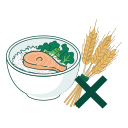
Diagnosed celiac disease means a strict, lifelong gluten-free diet: no wheat, barley, or rye, nothing made from them, and no cross-contact. Beyond swapping products, that means eating enough varied, nourishing food and building safe routines for home, restaurants, work or school, and travel.
If celiac disease is only suspected, get tested while you still eat gluten. Going gluten-free first can make blood tests and biopsies less reliable.
What to do
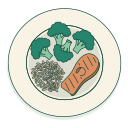
Build meals around naturally gluten-free foods: potatoes, rice, corn, quinoa, buckwheat, certified gluten-free oats if you tolerate them, beans, lentils, eggs, dairy, meat, fish, tofu, fruit, vegetables, nuts, and seeds.
The rules that matter most:
- Look for a regulated gluten-free claim on grains, flours, cereals, sauces, and packaged foods with uncertain ingredients.
- Use only oats labeled gluten-free. Ordinary oats are often contaminated in growing or processing.
- Check soy sauce, malt, beer, seasoning blends, soups, processed meats, and shared condiments.
- At home, watch shared toasters, cutting boards, strainers, flour dust, butter or spreads with crumbs, and bulk bins.
- At restaurants, ask how food is prepared, not just what is in it. Shared fryers and cooking water are common problems.
A simple plan
Week one: make the kitchen safe and pick five naturally gluten-free meals. Week two: list a few trusted packaged staples and settle on your restaurant questions. Week three: check nutrition. Packaged gluten-free foods can be low in fiber and fortified nutrients, so deliberately include legumes, vegetables, fruit, whole gluten-free grains, protein, calcium, and iron. Week four: build a travel kit with a safe snack and a backup meal.
A trusted breakfast, lunch, restaurant order, and emergency snack solve more problems than hundreds of recipes.