Eat Well While Taking a GLP-1
Protect protein, micronutrients, hydration, and muscle while adapting meals to lower appetite and gastrointestinal effects.
 Ask Murph to help
What to do
When appetite is small, eat the most useful parts of the meal first:
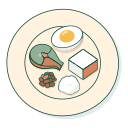
- Start with protein: eggs, yogurt, fish, poultry, tofu, beans, cottage cheese, or a shake when solid food is hard.
- Add fruit, vegetables, whole grains, or legumes in portions your digestion tolerates.
- Drink regularly between meals. Large drinks with meals can worsen fullness for some people.
- Eat smaller meals and stop when comfortably full. Large, high-fat, fried, or very spicy meals can worsen nausea or reflux for some people.
- Strength train at least twice a week if medically appropriate, and keep up ordinary walking and activity.
- Tell the prescriber about side effects, very rapid loss, inability to eat, and changes in diabetes readings.
Protein needs are individual, and a blanket very-high-protein target can crowd out fiber, worsen symptoms, or be inappropriate with kidney disease.
A simple plan
Pick three small protein-centered meals and one backup: yogurt with fruit; soup with beans or chicken; fish or tofu with rice and cooked vegetables; and a smoothie, fortified milk, or balanced ready-to-drink option as the backup.
For two weeks, track meal completion, protein sources, fluids, bowel pattern, nausea, vomiting, reflux, and strength training. Change texture and portion size before dropping whole food groups. Raise fiber gradually and pair it with fluid; constipation may need its own plan.
Book a medication review around dose increases or persistent symptoms. If you also take diabetes medicines, ask how lower intake and weight loss affect hypoglycemia risk and monitoring.