Skip to content

Maintain Weight Loss

Keep weight off after a loss phase with a routine that has enough food, flexibility, and support.

Keeping weight off is a different job from losing it. Energy needs are usually lower at a lower weight, appetite can climb, and the tight structure of a diet phase may not be realistic forever. A good maintenance plan keeps the few behaviors that mattered most, allows normal fluctuation, and responds early to a sustained change without making every meal a test.

What to do

Set a maintenance range, not a single number. Daily weight moves with water, sodium, carbohydrate, bowel contents, the menstrual cycle, and travel. Make the range wide enough to absorb ordinary variation but narrow enough to show a real trend.

Keep several anchors from the loss phase:

  • regular meals with enough protein and fiber to satisfy you;
  • an activity routine you enjoy enough to continue;
  • resistance training to protect muscle and function;
  • a predictable grocery and meal system;
  • enough sleep and recovery to cut avoidable hunger and disruption;
  • periodic self-monitoring at a frequency that informs rather than consumes you.

If you need more food than during the loss phase, add it gradually and watch the multiweek trend. Maintenance is not eating as little as possible forever.

A simple plan

For the first month, pick three maintenance habits and write them plainly: “protein at breakfast,” “walk after work four days,” “weigh once weekly.” Hold those steady while you relax rules you no longer need.

Set two review points. At two weeks, check hunger, energy, training, and fit with social life. At six to eight weeks, review the weight trend, plus waist or clothing fit if useful. If the trend is stable, cut monitoring to the lightest frequency that still helps.

Write an early-response plan before you need it. It might say: if the four-week average rises past my range, review liquid calories, portions, meal regularity, activity, sleep, and medication changes, then bring back two proven habits for two weeks. No emergency restriction.

How to know it is working

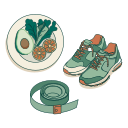
It's working when weight stays in a reasonable band, the habits aren't running your life, and energy, strength, and health hold up. Use averages, not single readings. If you dislike weighing, consistent clothing fit, a waist measurement, or a scheduled clinical check can stand in, though each has limits.

What to expect

Some fluctuation and some regain are common. Maintenance may need more ongoing support than the loss phase, not less. Holidays, injury, medication changes, stress, and life transitions can move weight for a while. Success means getting back to useful routines, not uninterrupted control.

If you get stuck

If hunger persists, check whether meals are too small or low in protein, fiber, or volume. If activity dropped because of pain or a schedule change, adapt it instead of waiting for the old plan to return. If weighing upsets you, change the monitoring method. If regain continues despite a sound plan, review medications, sleep apnea, menopause, depression, and other clinical factors with a professional. Obesity is a chronic condition, and more treatment can be appropriate.

A quick note

Stopping a GLP-1 or another anti-obesity medicine often changes appetite and regain risk, so make that transition with your prescriber. After bariatric surgery, keep following the surgical team’s nutrition, supplement, and follow-up plan. If maintenance efforts trigger bingeing, purging, severe restriction, or obsessive monitoring, put eating-disorder support ahead of the scale.

Sources

  1. NIDDKNIDDK: Eating and physical activity to lose or maintain weight
  2. NICENICE: Overweight and obesity management
  3. PubMedDiOGenes randomized trial of weight-loss maintenance
View all 40

This guide is educational health information, not medical advice. It is not meant to diagnose, treat, or prevent any disease or condition, and it does not replace advice from your clinician. If you are or may be pregnant, nursing, have a history of an eating disorder, or have another medical condition, talk to your doctor before acting on it.

Created by Murph Health CommonsHow these guides are made