Feel Fuller Between Meals
Build satisfying meals with enough protein, fiber, volume, fat, and total energy to make hunger more predictable.
 Ask Murph to help
What to do
Start with the meal that leaves you hungry soonest. Common gaps: a low-protein breakfast, a salad without enough energy, liquid calories that do not satisfy, or a meal that is almost all refined carbohydrate.
Use a four-part structure:
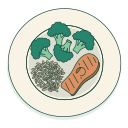
- Protein: eggs, yogurt, fish, poultry, tofu, tempeh, beans, lentils, meat, or another suitable source.
- Fiber-rich carbohydrate or produce: oats, potatoes, whole grains, beans, fruit, or vegetables.
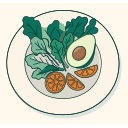
- Some fat: nuts, seeds, avocado, olive oil, cheese, or another source that fits the meal.
- Enough volume and energy: make the meal bigger instead of expecting one ingredient to erase hunger.
Solid, minimally processed foods usually satisfy better than sweet drinks, but convenience foods can still be assembled into a filling meal.
A simple plan
Pick one weak meal and test a stronger version for seven days. Add 20–30 grams of protein if appropriate, a fiber-rich food, and enough carbohydrate or fat to complete the meal: Greek yogurt and fruit on cereal, beans and rice in a salad, or eggs and whole-grain toast with a light breakfast.
Rate fullness after the meal and hunger two to four hours later. If you still get extremely hungry, increase the portion or add a planned snack. A snack with protein plus carbohydrate, such as yogurt and fruit, cheese and crackers, or nuts and a banana, usually lasts longer than a small sweet alone.
Move to another meal only after the first change is clear.