Follow a DASH Diet
Use the flexible DASH eating pattern to support healthier blood pressure without making meals bland or clinical.
 Ask Murph to help
What to do
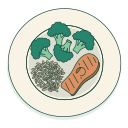
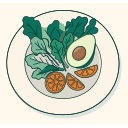
Build meals around foods that naturally supply fiber, potassium, magnesium, calcium, and protein:
- Add fruit or vegetables to several eating occasions a day.
- Choose beans, lentils, nuts, seeds, fish, poultry, tofu, or other lean protein sources often.
- Swap whole grains into some of your usual bread, cereal, rice, or pasta.
- Include dairy or a nutritionally comparable fortified alternative if it fits your diet.
- Compare sodium across breads, soups, sauces, deli meats, frozen meals, and restaurant orders. The ones you eat most often matter most.
- Replace butter, fatty meats, and high-saturated-fat snacks with liquid plant oils, nuts, seeds, fish, or other unsaturated fats.
Potassium-rich food is part of the pattern, but potassium supplements and salt substitutes are not right for everyone.
A simple plan
In week one, skip counting servings. Pick one breakfast and one dinner to repeat: oats with fruit, nuts, and milk or fortified soy milk; beans or fish with a whole grain or potato and two vegetables.
In week two, compare labels on three foods you eat often and pick a lower-sodium version that still tastes good. In week three, plan two legume meals and make one sauce or seasoning blend from herbs, spices, garlic, citrus, or vinegar. In week four, review restaurant meals and settle on one order that fits the pattern without special effort.
If changing everything at once is unrealistic, start with produce and your most frequent sodium source.
How to know it is working
What to expect
If you get stuck
Make it last
Turn DASH from a serving chart into household defaults. Keep fruit visible, frozen vegetables stocked, a bean meal on the weekly plan, a lower-sodium bread or soup, and a calcium-rich food that fits your diet. Keep flavor with acids, aromatics, spices, and sauces whose sodium you know.
Use home blood-pressure averages to connect the behavior with the outcome, but do not change the plan every time a reading moves. Review after several weeks, then keep the lightest system that works. Restaurant meals and holidays may run high in sodium; go back to the normal pattern without fasting or drinking excess water. If blood pressure stays above the agreed target, discuss medication, sleep apnea, alcohol, activity, weight, and measurement technique instead of making the diet stricter and stricter.