Follow a Mediterranean Diet
Build a Mediterranean-style eating pattern around plants, olive oil, seafood, and meals you genuinely enjoy.
 Ask Murph to help
What to do
Substitute within the meals you already eat rather than adding a separate “Mediterranean” menu.
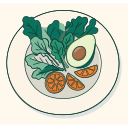
- Make vegetables, beans, or lentils a visible part of lunch and dinner.
- Cook and dress with olive oil or another unsaturated plant oil.
- Choose whole grains often: oats, whole-grain bread, brown rice, corn, barley, bulgur, farro, or similar local staples.
- Eat nuts or seeds regularly, in portions that fit your energy needs.
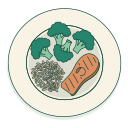
- If you eat seafood, plan it about twice a week and vary the type.
- Swap some red or processed meat meals for beans, fish, poultry, tofu, or other minimally processed proteins.
- Keep fruit on hand for snacks or dessert, and let sweets stay an occasional pleasure.
Alcohol is not required. If you do not drink, do not start for health reasons. If you do, less is generally better for health.
A simple plan
In week one, change one lunch and one dinner. Lunch could be a grain-and-bean bowl with vegetables and olive-oil dressing. Dinner could be fish, potatoes, and vegetables; lentil soup with whole-grain bread; or pasta with beans, greens, tomatoes, and olive oil.
In week two, set three defaults: a breakfast, a snack, and a pantry meal. For example, oats with fruit and nuts; fruit with yogurt; and canned beans with frozen vegetables, a grain, and a good sauce. In weeks three and four, add variety without changing the structure: rotate the vegetables, legumes, grains, herbs, and protein.
A plan that covers most ordinary meals and leaves room for social food beats a perfect seven-day menu you stop following.
How to know it is working
What to expect
If you get stuck
Make it last
Keep the pattern recognizable across cuisines. Beans, vegetables, whole grains, nuts, fish, and unsaturated oils do not need Italian or Greek flavors; use the herbs, spices, grains, and legumes you already know.
Choose a few recurring anchors: olive oil or another suitable plant oil for cooking, legumes twice a week, fish if you want it, fruit on hand, and vegetables at main meals. Review the pattern by the week rather than expecting every restaurant meal to match. If weight loss is not a goal, eat enough; the Mediterranean label does not require small portions. If cholesterol or blood pressure is the goal, monitor those outcomes and take medication as prescribed. Leave room for bread, pasta, cheese, desserts, and celebrations in amounts that fit the whole diet; they are not forbidden deviations.