Get Enough Calcium
Build a food-first calcium routine that fits dairy, lactose-free, vegetarian, or vegan eating patterns.
 Ask Murph to help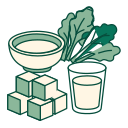
What to do
Pick sources that fit your diet: milk, yogurt, cheese, lactose-free dairy, calcium-fortified soy milk, calcium-set tofu, canned salmon or sardines with bones, and some leafy greens. Read plant milk labels, because calcium and protein vary widely, and shake fortified drinks before pouring since minerals settle.
Spread sources across the day instead of covering everything at once. Pair the plan with enough vitamin D, protein, and resistance or impact exercise; calcium alone does not build strong bones.
A simple plan
Week one: list every calcium source from three ordinary days: dairy, fortified plant drinks, tofu, canned fish with bones, fortified foods, and supplements. Compare the total with the target for your age and life stage in the NIH reference table. This is an estimate, not a diagnosis.
Week two: choose one daily anchor. A cup of milk or fortified soy milk, yogurt, calcium-set tofu, or another reliable source covers a meaningful part of the need. Check the serving size and calcium percentage on the label; plant drinks vary, and some “barista” products contain little calcium or protein.
Week three: add a second source at another meal. Spread intake, because the body absorbs only limited amounts efficiently at one time. Keep vitamin D, protein, and exercise in view.
Week four: work out the likely remaining gap. If food consistently falls short, discuss a supplement sized to that gap rather than the largest dose. Check interactions: calcium can interfere with absorption of thyroid medicine, iron, and some antibiotics when taken too close together.
If dairy causes symptoms, try lactose-free milk, hard cheese, yogurt, or fortified soy alternatives before writing off all calcium-rich foods. If kidney stones are a concern, do not cut food calcium indiscriminately; timing, total diet, fluid, sodium, and stone type matter.
How to know it is working
What to expect
If you get stuck
Make it last
Choose calcium sources that do other jobs too. Milk or fortified soy milk adds protein; yogurt can be breakfast; tofu can anchor dinner; canned salmon brings protein and omega-3 fats. Keep the source on a recurring shopping list and recheck the label when brands change.
Reassess needs during adolescence, pregnancy, menopause, older age, major dietary changes, or treatment for osteoporosis. If a clinician recommends a supplement, record the elemental calcium per dose, the timing, and the gap it is meant to fill. More is not automatically protective, and a supplement cannot replace resistance and impact exercise, enough vitamin D, fall prevention, or prescribed bone medication. If lactose tolerance changes, revise the source rather than abandoning the goal.