Meal Prep Consistently
Build a light weekly prep routine that makes your next good meal easier.
 Ask Murph to help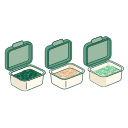
What to do
Find the real bottleneck first. If breakfast is already easy, don't prep it. Aim at the meal you skip, buy on impulse, or throw together exhausted.
Pick one of three approaches:
- Complete meals: cook and portion one dish such as chili, curry, soup, or grain bowls.
- Components: prepare a protein, grain, vegetable, and sauce you can combine different ways.
- Setup only: write a plan, shop, wash produce, thaw protein, and put the first meal’s ingredients together.
Mix foods with different shelf lives. Eat delicate items first, save sturdy ones for later, and freeze portions you won't use within a few days.
A simple plan
Block out 30 to 60 minutes at a time that actually exists. In week one, make only one component and one complete meal, for example rice, roasted vegetables, and a pot of chili. In week two, add a ready breakfast or snack. In week three, build a freezer backup. In week four, cut anything that took effort but didn't get eaten.
Keep a reusable checklist:
- Check the calendar for late workdays, workouts, travel, or social meals.
- Pick two meals and one fallback.
- Shop from the ingredient list.
- Prep the hardest component first.
- Label leftovers with the date and freeze extra portions.
How to know it is working
What to expect
If you get stuck
Make it last
Use the same prep window, containers, and short checklist until the routine becomes boring in a good way. Keep the menu modular: one grain, one protein, two vegetables, and a sauce can become bowls, wraps, salads, or a side for a different dinner. Freeze some portions early instead of waiting to see whether anyone eats them.
Plan for weeks when the normal session can't happen. The fallback might be grocery delivery, prepared ingredients, a five-minute pantry meal, or two balanced ready-made meals. A missed prep day shouldn't leave the kitchen unusable. Adjust quantities to what actually got eaten, and shrink portions before adding variety. If the routine costs more than it saves, cut steps. Consistency comes from a session that leaves time and energy for the rest of life, not from the most food or the prettiest fridge.