Reduce Night Sweats
Reduce menopause-related night-sweat disruption with a cooler setup for comfort and effective treatment for the underlying hot flashes.
 Ask Murph to help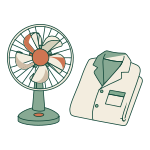
What to do
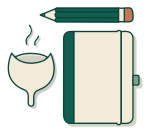
- Confirm the pattern. For one week, note each time you woke hot and sweating, whether bedding or clothes needed changing, and how you felt the next day. A wearable can't reliably say why you woke.
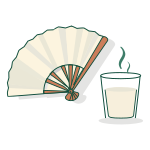
- Cool the sleep environment for comfort. Breathable layers, a fan, lighter bedding, easy-to-change pajamas. Keep a dry top and water within reach so an episode stays brief. This cuts disruption even if episode counts don't change.
- Avoid overheating before bed. A hot room, heavy bedding, a very hot bath right before sleep, or intense late exercise may add heat discomfort. A warm shower earlier can still relax you; go by your own response.
- Test an evening trigger only when the pattern repeats. Evidence for trigger avoidance as a general night-sweat treatment is uncertain, though alcohol can fragment sleep on its own. If alcohol, a spicy meal, a hot drink, or caffeine repeatedly precedes episodes, test one change, not a list of banned foods.
- Protect the return to sleep. Dim lights, no clock-checking, a quick change of clothes or bedding, and something quiet outside bed if you're awake and frustrated.
- Treat the hot flashes themselves. Menopause-specific CBT can reduce symptom bother and help sleep. Hormone therapy and prescription nonhormonal treatments can substantially reduce night sweats when matched to your history.
- Check for overlapping sleep problems. Sleep-apnea risk rises around menopause. Loud snoring, gasping, morning headaches, or marked daytime sleepiness are not explained by night sweats.
A simple plan
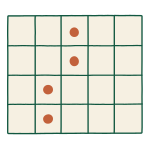
For 14 nights, use the same comfort setup: cooler room, layered bedding, dry clothes nearby, consistent wake time. Record each night as zero, one, or multiple sweat-related awakenings and rate next-day function poor, fair, or good. Keep normal habits in week one. In week two, change one suspected evening trigger, only if week one showed a repeatable pattern.
If awakenings stay frequent or burdensome, bring the two-week record to a vasomotor treatment discussion. You don't need months of failed sleep hygiene first.
How to know it is working
If you get stuck
Separate the heat episode from the insomnia that follows it. Treatment may reduce night sweats while a learned pattern of clock-watching and long wakefulness remains; CBT for insomnia addresses that second problem. Equally, excellent sleep habits may not overcome untreated severe vasomotor symptoms.
Review medicines, alcohol, room temperature, infection symptoms, thyroid symptoms, and possible sleep apnea. If sweats come without the typical sudden wave of heat, or began long after other menopause symptoms settled, broaden the evaluation.