Reduce Nighttime Teeth Grinding
Protect teeth and reduce jaw symptoms while addressing stress, medicines, and sleep problems linked with nighttime grinding.
 Ask Murph to help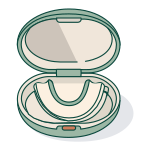
What to do
- Get a dental exam if you have pain, tooth sensitivity, visible wear, cracked restorations, or a partner hears regular grinding.
- Ask whether a fitted night guard makes sense. It protects teeth but won't necessarily stop the muscle activity underneath.
- Review stress, anxiety, caffeine, alcohol, nicotine, and sleep loss. All can be linked with bruxism, but no single trigger explains every case.
- Review medicines with the prescriber. Some antidepressants and other drugs can contribute in susceptible people.
- Watch for snoring, gasping, dry mouth, and daytime sleepiness; sleep bruxism can coexist with obstructive sleep apnea.
- During the day, keep a relaxed jaw, with lips together, teeth apart, and tongue resting comfortably, to cut total jaw load.
A simple plan
For two weeks, rate morning jaw pain or headache from 0 to 10, note partner-reported grinding, and record only major exposures: late caffeine, alcohol, a very stressful day, or a medication change. Don't record yourself all night.
If symptoms are more than occasional, book a dental visit. Bring the timeline and ask the dentist to check for tooth wear, damaged restorations, tender jaw muscles, and signs that point to a sleep evaluation. If you get a guard, follow the fitting and cleaning instructions and report new jaw pain or bite changes.
Add a short daytime downshift: several times a day, release the tongue and jaw, drop the shoulders, and take five slow breaths. It helps daytime clenching and stress more than sleep bruxism itself, but it's cheap to test. Skip long gum chewing when the jaw is sore.
How to know it is working
Watch for less morning pain, fewer headaches, no new tooth damage, and less partner-reported grinding. A worn guard shows it's protecting your teeth, not whether the problem is improving.
Phone audio can pick up grinding but may confuse it with movement, snoring, or room noise. Not every case needs a sleep study, but one helps when the diagnosis is unclear or apnea is suspected.
If you get stuck
Don't keep buying harder guards as symptoms worsen. An ill-fitting over-the-counter guard can change comfort and may not suit dental work, jaw disorders, or suspected apnea. See the dentist for fit and diagnosis.
If pain persists, a clinician or physical therapist experienced in temporomandibular disorders can address jaw-muscle and neck contributors. If symptoms began after a medicine change, ask the prescriber about options. If you snore or gasp, get the airway checked rather than blaming stress alone.