Reduce Period Pain
Make menstrual cramps less intense and less disruptive with well-timed relief, regular movement, and care for pain that needs a specific diagnosis.
 Ask Murph to help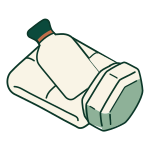
What to do
- Learn the timing. For two cycles, note when cramps begin, when bleeding begins, the worst pain from 0 to 10, and what the pain stops you doing. A small pattern beats a detailed diary.
- Use heat early. A heating pad, heat wrap, warm bath, or hot-water bottle on the lower abdomen or back makes cramps easier to tolerate. Protect the skin and don't fall asleep on an electric heating pad.
- If an NSAID is safe for you, timing matters. Ibuprofen, naproxen, and similar medicines reduce prostaglandins, which drive primary menstrual cramps. Follow the package directions or your clinician's plan. They work better started at the first sign of pain or bleeding than after pain is severe.
- Move throughout the month. Walking, cycling, swimming, or another aerobic activity you enjoy may lessen symptoms for some people. Aim for a routine you can keep, not a punishing workout during the worst hour of a period.
- Protect sleep and ordinary meals. Fatigue, missed meals, and dehydration make a hard day harder even when they aren't the cause. Before the expected start, set up an easy meal, water, heat, and any approved medicine.
- Consider medical options when self-care isn't enough. Hormonal contraceptives and other treatments can substantially reduce cramps for some people. The best choice depends on pregnancy goals, other symptoms, and medical history.
A simple plan
Run this for two cycles. Before the expected period, put the relief tools you know are safe in one place. Keep moving most weeks, with a walk or another moderate activity on several days. When symptoms begin, use heat and your approved pain-relief plan early. Record three things once a day: peak pain, whether normal activities changed, and what gave meaningful relief.
At the end of each cycle, keep what clearly helped. If pain still disrupted life, use the record for a focused clinical conversation. The point is less disruption and catching a treatable cause, not proving you can tolerate pain.
How to know it is working
If you get stuck
Check whether this is more than primary cramps. Pain that starts days before bleeding, continues after the period, occurs during sex, worsens over time, or comes with bowel or bladder symptoms can point to endometriosis, adenomyosis, fibroids, ovarian conditions, or other causes. Heavy bleeding can also cause iron deficiency and worsen fatigue. These are reasons to seek a cause-specific plan, not to try harder at lifestyle changes.
If a medicine isn't helping, don't exceed the label dose or combine products with the same ingredient. Ask a pharmacist or clinician to review timing, dose, contraindications, and alternatives.
Plan before the next cycle instead of improvising at peak pain. Keep medicine, heat, and a simple meal within reach, decide which tasks can move, and tell a partner, roommate, coach, or manager what would help. Track pain, bleeding, medication timing, and missed activities for two or three cycles. Less rescue medication, sleeping through the night, attending school or work, and exercising normally matter as much as a lower pain number. If you've followed the plan and those functions don't improve, bring the record to a clinician and revisit the diagnosis and treatment.