Understand Stroke Prevention
Learn about stroke risk factors and prevention options to discuss with your clinician.
 Ask Murph to help
Most first strokes are linked to risks that can be treated or reduced. High blood pressure is especially important, but tobacco, atrial fibrillation, diabetes, high atherogenic cholesterol, low activity, excess alcohol, sleep apnea, and some vascular conditions count too. The best plan is specific: control your biggest risks rather than collecting generic brain-health habits.
Stroke prevention also means knowing what not to do. Daily aspirin is not automatically appropriate for someone who has never had a stroke; bleeding risk can outweigh benefit. Atrial fibrillation may call for an anticoagulant, which is different from aspirin. Those choices belong in a clinical risk discussion.
What to do
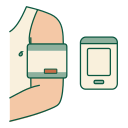
- Control blood pressure. Use a validated upper-arm cuff and compare multi-day averages. Follow a DASH-style eating pattern, cut excess sodium and alcohol, stay active, and take prescribed medication consistently.
- Do not smoke. Counseling, nicotine-replacement therapy, and prescription quit medicines improve the odds of success. Avoid regular secondhand smoke too.
- Find and treat atrial fibrillation when relevant. An irregular pulse, palpitations, age, prior transient ischemic attack, or a device alert can justify evaluation. Do not diagnose it from a smartwatch alone.
- Manage diabetes and lipids. Improve blood sugar, LDL, and ApoB according to your risk. Medication may matter even when you feel well.
- Move and eat for vascular health. Regular aerobic activity, strength work, vegetables, fruit, legumes, whole grains, nuts, fish, and unsaturated oils help several risk factors at once.
- Address sleep apnea. Loud snoring, witnessed pauses, resistant high blood pressure, and significant daytime sleepiness are reasons to get evaluated.
- Limit excess alcohol and avoid stimulant drugs. Binge drinking and certain drugs can sharply raise risk.
- Use condition-specific prevention. Carotid disease, sickle cell disease, pregnancy complications, migraine with aura, and prior TIA each need more tailored advice.
A simple plan
Build a short stroke-risk inventory: home blood-pressure average, smoking status, LDL or ApoB, A1C or diabetes status, weekly activity, alcohol pattern, possible sleep-apnea symptoms, and any history of irregular rhythm or TIA. Add prescribed medication and how consistently you take it.
Pick the two highest-impact actions for eight weeks. Examples: supported smoking cessation plus blood-pressure monitoring, or medication adherence plus regular walking. Arrange any needed clinical review for atrial fibrillation, severe hypertension, a prior neurologic episode, or uncertainty about aspirin or anticoagulation.
Practice recognizing stroke symptoms with the people around you. Prevention lowers the odds; fast emergency treatment limits the damage if a stroke happens anyway.
How to know it is working
What to expect
Blood pressure and behavior can improve within weeks; the benefit accumulates for years. You usually will not feel vascular risk falling, which is no reason to stop. Age, genetics, and prior disease leave some risk you cannot change, but treating the rest is still worth it.
Make the emergency response part of the prevention plan. Save the local emergency number, teach household members to recognize sudden face, arm, speech, vision, and balance changes, and note when symptoms began or when the person was last known well. This takes minutes, can preserve treatment options, and does not raise the chance of a stroke.