Sleep Better During Pregnancy
Sleep better in pregnancy by working on the specific problem: comfort, reflux, bathroom trips, restless legs, breathing, or insomnia.
 Ask Murph to help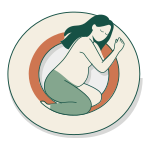
What to do
- Keep a steady wake time and enough time for sleep. Pregnancy can raise your sleep need. Fix the wake time and let bedtime drift earlier when genuinely sleepy.
- Set up for side sleeping. Side sleeping is commonly recommended in the second and third trimesters. Use a pillow between the knees, under the belly, or behind the back. If you wake on your back, just roll over; do not turn sleep into a posture alarm.
- Move fluids earlier, not away. Drink normally during the day. If bathroom trips dominate, taper large drinks in the last hour or two and empty your bladder before bed.
- Reduce reflux. Eat smaller evening meals, stay upright after eating, and finish the last large meal earlier. Raising the upper body can help. If symptoms persist, ask about pregnancy-appropriate treatment.
- Address restless legs. An urge to move your legs that worsens at rest or at night can happen in pregnancy and may relate to iron status. Stretching or walking may help briefly, but persistent symptoms deserve an iron and treatment review.
- Use CBT-I strategies for insomnia. Go to bed when sleepy and avoid clock-watching. If you're awake and frustrated for a while, get up and do something quiet in dim light. Formal CBT-I has evidence during pregnancy.
- Get morning light and stay active. Daytime movement and outdoor light help sleep timing and mood. Finish vigorous exercise earlier if late sessions clearly keep you awake.
- Take breathing symptoms seriously. New loud snoring, gasping, pauses in breathing, or severe daytime sleepiness needs assessment for sleep apnea.
A simple plan
For 14 nights, keep the same wake time, get daylight early in the day, and use one side-sleep setup. Each morning, note the main sleep disruption and rate daytime function as poor, fair, or good. Move large drinks and meals earlier while still drinking normally during the day.
If you lie awake and frustrated, get up for a quiet activity and return when sleepy. After two weeks, act on the main cause: treat reflux, get restless legs and iron reviewed, seek CBT-I, or ask for a breathing evaluation. Do not stack sedating products to cover a problem you have not identified.
How to know it is working
If you get stuck
More time in bed does not fix persistent insomnia. If worry about sleep has become part of the problem, CBT-I is the best-supported next step. If the issue is pain, pelvic pressure, or shortness of breath, treat that symptom instead of piling on relaxation advice.
Review caffeine timing, nasal congestion, reflux, iron status, anxiety or depression, and medicines. Your care team can tell common pregnancy changes from a treatable sleep disorder and identify pregnancy-appropriate options.