Snore Less
Reduce snoring while checking whether it is a sign of obstructive sleep apnea rather than only a noise problem.
 Ask Murph to help
What to do
- Ask a bed partner what they notice: steady snoring, pauses, choking, gasping, restless sleep, or long silences ending in a snort.
- Watch for morning headaches, dry mouth, unrefreshing sleep, nighttime urination, high blood pressure, and heavy daytime sleepiness.
- If you snore mainly on your back, try side sleeping with a comfortable positional aid, not a painful one that keeps waking you.
- Limit alcohol near bedtime; it relaxes upper-airway muscles and can worsen snoring and apnea.
- Treat persistent nasal congestion properly: saline rinses and evidence-based allergy care may help airflow, while routine decongestant sprays can cause rebound congestion.
- If weight is relevant for you, gradual weight loss can reduce snoring and apnea severity, but apnea occurs at any body size.
- Ask a dentist or sleep clinician about a fitted oral appliance if simple snoring persists or it is an appropriate apnea treatment.
A simple plan
For two weeks, use a partner report or short audio sample on a few typical nights, noting alcohol, congestion, position, and next-day alertness. Don't record indefinitely or treat a phone app as a diagnostic test.
Pick one low-effort change: side sleeping, skipping late alcohol, or treating known nasal allergies, and compare similar nights. If snoring stays loud, frequent, or paired with apnea symptoms, get a clinical assessment instead of stacking gadgets.
If side sleeping helps but is hard to hold, test pillow support or a comfortable positional device for several nights. Stop if it causes shoulder, neck, or back pain or trades snoring for repeated awakenings.
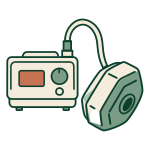
With diagnosed sleep apnea, quiet is not enough. Use the prescribed treatment consistently and review leftover snoring, mask leak, or symptoms with your treating team.
How to know it is working
Look for fewer partner-reported episodes, quieter snoring, fewer awakenings for both of you, and better next-day function. Audio apps show a rough pattern but can't tell whether the airway closed or oxygen dropped.
A quieter night doesn't prove apnea is controlled. Some people with apnea snore inconsistently, and alcohol or position can change the sound without changing the condition.
If you get stuck
Skip products that promise to “cure” snoring without finding the cause. Mouth tape can be risky when nasal breathing is impaired or apnea is possible. Generic boil-and-bite guards are not equivalent to a fitted mandibular advancement device and can affect the jaw or teeth.
For persistent nasal obstruction, an ear, nose, and throat clinician can look for structural or inflammatory causes. Suspected apnea generally needs a validated home sleep apnea test or lab study chosen through clinical evaluation.