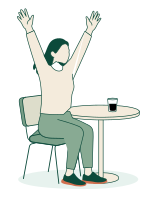
Wake Up Earlier
Shift mornings earlier without repeatedly sacrificing the sleep needed to function well.
 Ask Murph to help
What to do
- Pick the earliest wake time your real responsibilities justify. Earlier is not automatically healthier.
- Shift by 15 to 30 minutes every few days instead of jumping several hours overnight.
- Get outside light soon after waking: open the curtains right away, then get outdoors when you can.
- Move the evening earlier too. Dinner, exercise, work shutdown, and bright light all affect when you get sleepy.
- Keep the wake time steady on weekends while the new rhythm settles.
A simple plan
Start seven to fourteen days before you need the new schedule. Move the alarm and bedtime earlier together. Prepare the morning the night before so the first action is easy: clothes ready, coffee set up, no decisions to make.
After the alarm, stand up, turn on the lights, drink some water, and get daylight. Avoid a chain of alarms that trains you to treat the first as optional. If you're acutely short on sleep, put recovery first that day.
Make the first week a progression: move 20 minutes earlier, hold three mornings, and move again only once bedtime has followed. To wake 90 minutes earlier, expect about one to two weeks. Set an evening alarm for the start of shutdown; the real work happens before morning.
Give the earlier hour a job: a quiet breakfast, workout, commute, or caregiving task. Waking early to scroll in bed costs sleep for no clear benefit. On a day off, use the hour for something pleasant so the routine isn't only obligation.
Keep the goal reversible. If the earlier schedule keeps hurting mood, training, relationships, or total sleep after a fair two-week try, pick a later time you can hold. A useful morning beats an impressive clock time.
How to know it is working
You wake near the target with less alarm dependence, feel sleepy earlier in the evening, and function normally by day. If total sleep keeps shrinking, the plan isn't working even when the clock looks right.
Track wake time, rough sleep duration, and alertness an hour after waking. Grogginess may rise briefly, then ease as the body clock moves. If you're functional at the target but sleepy through the day, protect an earlier bedtime before pushing further.
If you get stuck
Check whether bedtime actually moved with wake time. Then look at late bright light, evening work, caffeine, weekend sleep-ins, and a target that conflicts with your natural timing. Persistent inability to shift can be a circadian sleep-wake disorder.
If you live with later sleepers, prepare quietly and use light that doesn't wake everyone. If winter darkness makes outdoor light unavailable, ask a clinician about a properly timed light box rather than using one late or at random.