Loading dashboard
Deep sleep minutes estimate time spent in the deepest non-REM sleep stage, which can add context to recovery and sleep continuity when viewed as a consistent same-device trend.
Reflects sleep depth and recovery biology; useful for trends, not diagnosis or guaranteed cognitive improvement.
There is no universal wearable target; compare same-device trends with total sleep, awakenings, and how restored you feel rather than treating one stage estimate as a verdict.
Sleep opportunity, alcohol, illness, apnea, fragmentation, caffeine, late hard exercise, heat, stress, age, and device algorithms.
Biomarker unavailable
Connect a health device or import labs to see your personal trend here. Your data stays private.
Connect a deviceRanked by evidence, biomarker relevance, and how cleanly it can be measured at home.
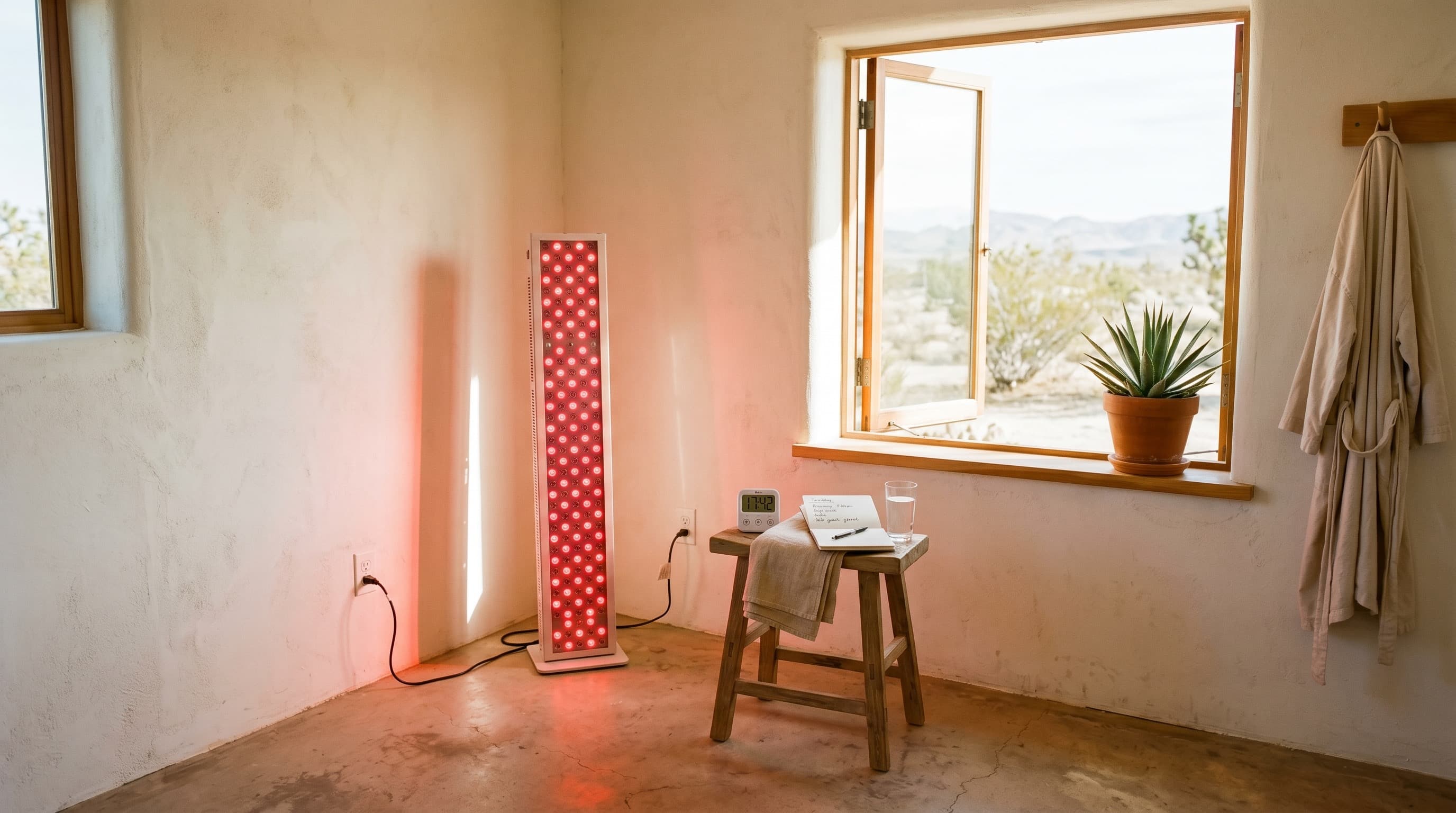
Red light has no proven effect on deep sleep; a shift of a few minutes either way is usually normal night-to-night variation.
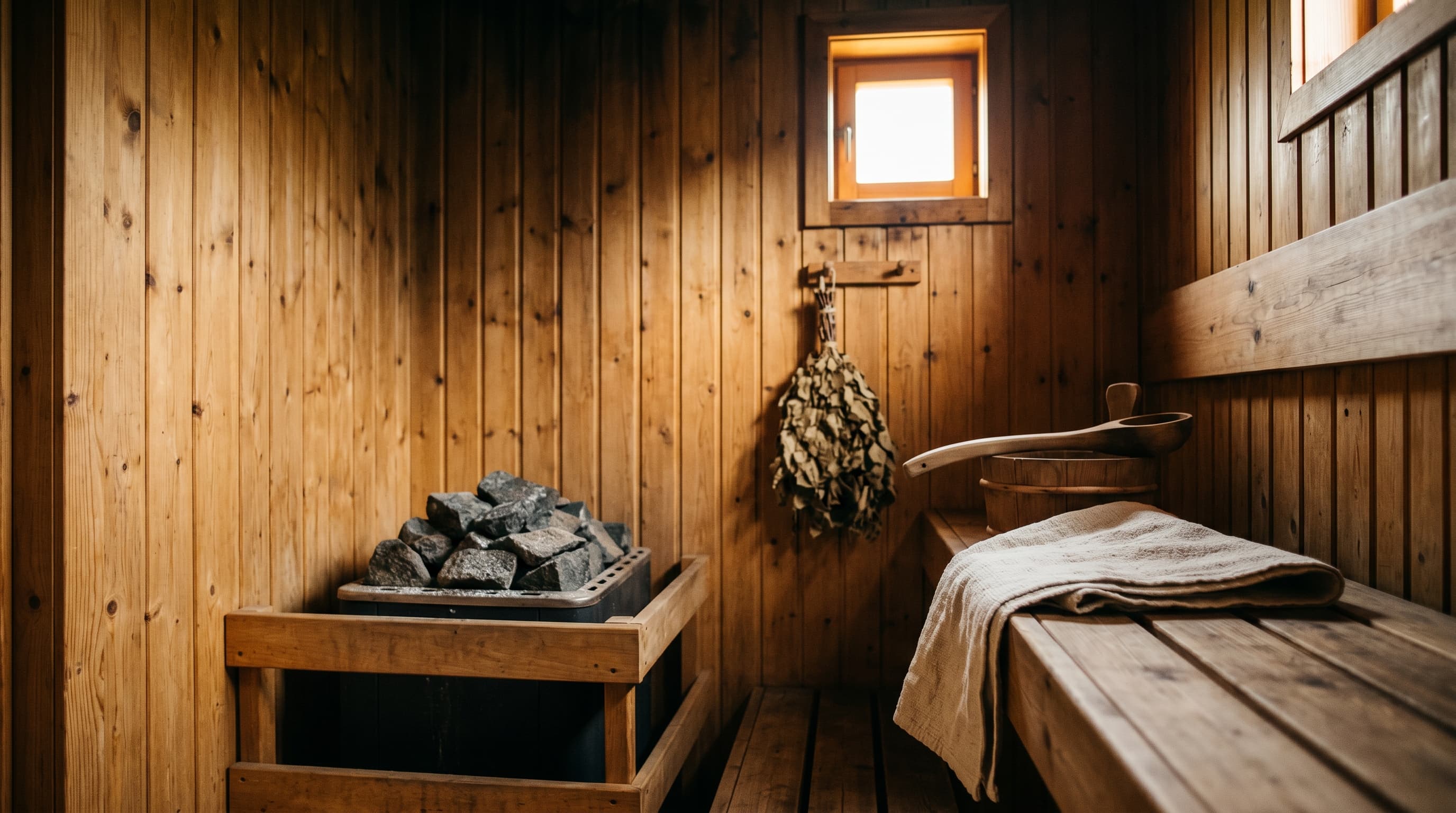
Sauna shifts overnight temperature, pulse, and movement patterns, changing how stable early-night deep sleep becomes.