
Loading dashboard
Maximum oxygen the body can deliver and use during all-out effort, where a higher ceiling means heart, lungs, and muscles work together to pull more oxygen from each breath and burn it faster.
Signals cardiorespiratory fitness; higher population-level fitness tracks with lower mortality and chronic-disease risk.
A lab cardiopulmonary exercise test with gas exchange is the reference context. Consumer wearables estimate VO₂ max from signals such as heart rate, pace, power, GPS, demographics, and device-specific algorithms.
Intervals, endurance training, detraining, illness, heat, altitude, sensors, GPS, body weight, heart-rate medications, and test protocol.
Biomarker unavailable
Connect a health device or import labs to see your personal trend here. Your data stays private.
Connect a deviceRanked by evidence, biomarker relevance, and how cleanly it can be measured at home.

Sustained intervals challenge cardiac output and muscle oxygen extraction, training the heart, capillaries, and mitochondria to move and use more oxygen.

The 20/10 block creates oxygen debt quickly, training the heart, lungs, and working muscles to deliver and use oxygen faster.

Added walking gives low-intensity aerobic practice, improving oxygen delivery most when baseline activity is low.
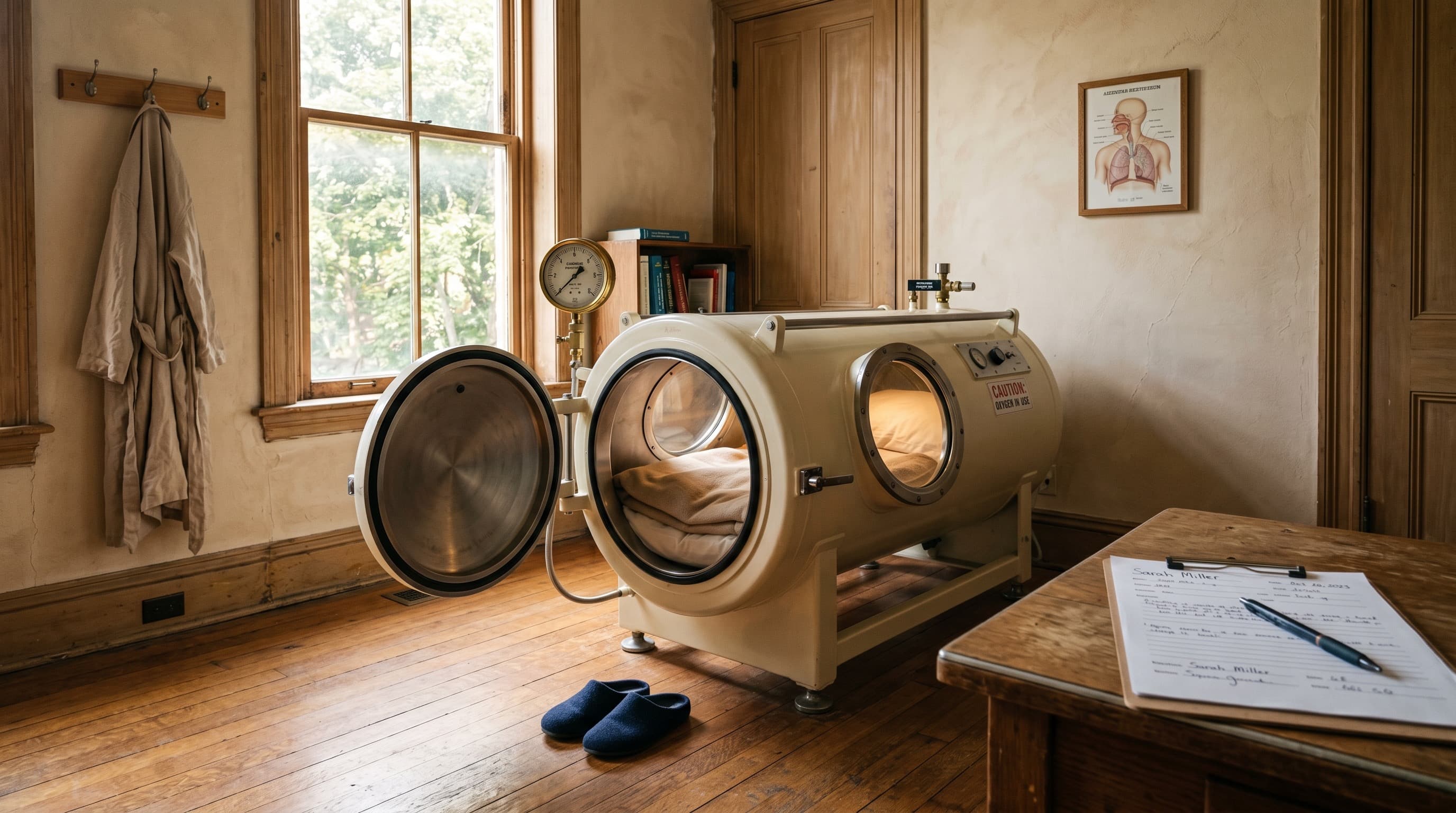
Repeated hyperoxia under pressure pushes extra oxygen into plasma and changes vascular and cardiac perfusion during the course.

Post-workout sauna extends circulatory strain after exercise, adding conditioning only when it preserves training quality and recovery.