Build Stronger Glutes
Strengthen your glutes with squats, hinges, hip extension, and single-leg work that progresses.
 Ask Murph to help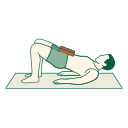
The glutes extend the hip, help control the pelvis, and contribute to squatting, hinging, stepping, running, and jumping. They don't need an endless “activation” warm-up before they can work. They need exercises that challenge hip extension and single-leg control, done consistently and progressed.
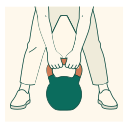
No one exercise owns glute development. Squats and split squats load the glutes in deeper hip flexion, Romanian deadlifts and other hinges challenge them while lengthened, and hip thrusts and bridges load hip extension near the top. Mixing two or three patterns beats turning every session into a glute-specialization workout.
What to do
- Train the glutes two or three times a week.
- Across the week, include a squat or split-squat pattern, a hinge, and a bridge or hip-thrust pattern.
- Use enough range to challenge the hips while staying controlled and strong.
- Keep most work one to three good reps short of failure.
- Progress reps, load, range, or stability instead of constantly changing exercises.
- If appearance is part of the goal, eat enough food and protein to support muscle growth.
Band walks and abduction exercises are useful accessories, but they don't replace progressive hip extension. A dramatic burn is not a better growth or strength stimulus; use sensation to guide technique, not as the score.
A simple plan
Day one: three sets of a squat or leg press, two sets of Romanian deadlifts, and two sets of hip thrusts. Day two: three sets of a split squat or step-up, two sets of a bridge or back extension, and two sets of an abduction exercise.
Use 6 to 12 reps for the larger lifts and 10 to 20 for bridges or abduction work. Start with a load that leaves about three good reps in reserve. When all sets reach the top of the range with the same depth and control, add a little weight. For a bodyweight movement, add resistance or a harder variation instead of extending the set forever.
Keep the plan for at least eight weeks. If recovery is good and performance rises, don't add complexity. If you also run or play a field sport, separate the hardest lifting and sprinting days when possible, or put them on the same day with easy days between so the legs get real recovery.
How to know it is working
Track one squat or split-stance exercise and one hip-extension exercise. More load, reps, range, or control means growing capacity. Functional signs include more power on stairs, better control on one leg, or less effort carrying a load uphill.
If size matters, use a standardized photo or hip circumference every four weeks; circumference includes more than glute muscle. Daily visual changes and the post-workout pump are poor measures. Give the program two to three months before judging it.
If you get stuck
If you feel every exercise mainly in the low back or front of the thigh, reduce the load and check the movement. A longer stride in a split squat, a controlled hinge, or stacked ribs and pelvis during a bridge can change where the work goes. Compound exercises are allowed to be compound, though; some sensation elsewhere is fine.
If progress stalls, review total weekly work. Too little challenge won't drive adaptation, but piling glute work on top of hard leg training can outrun recovery. Add or subtract a little and watch for four weeks. Don't judge the program by soreness or by whether a social-media exercise looks more glute-specific.