Ride 100 Miles
Prepare for a century ride with progressive time in the saddle, practiced fueling, bike comfort, pacing, and event logistics.
 Ask Murph to help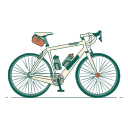
A century is a long test of pacing, fueling, and comfort. Build up with consistent weekly riding and one gradually longer ride, not a single enormous test. Bike position, hands, feet, saddle contact, food, hydration, and staying calm early can matter as much as peak fitness.
Choose the route or event first; elevation, surface, aid stations, group riding, weather, and cutoff times decide how demanding “100 miles” will be.
What to do
- Start a specific block once you ride two or three times a week and can do about 40 to 50 miles comfortably.
- Keep most riding easy to moderate and extend one long ride each week.
- Practice the terrain and elevation the event includes.
- Test bike fit, shorts, shoes, gloves, lights, repair kit, and carrying setup well before the event.
- Eat and drink on long rides using foods and products you've already tolerated.
- Learn group-riding signals and drafting rules if the event involves a pack.
- Take a recovery week every few weeks instead of building continuously.
A simple plan
Use a 10- to 16-week block, longer if your longest ride is well under 40 miles. A typical week: one easy recovery ride, one moderate ride with several controlled hills or efforts, one long ride, and optional strength work once or twice a week early in the block.
Add about five to ten miles to the long ride after successful weeks, and shorten it every third or fourth week. Work up through 50, 60, 70, and 80 miles without needing a training century; many riders peak with an 80- to 90-mile ride, or a similar duration, before tapering.
Treat long rides as rehearsals: start fueling within the first hour, practice the timing you plan to use, and note which foods still go down late. Stop to fix a hot spot or mechanical problem before it gets severe.
Cut volume in the final one to two weeks and check the bike, weather, course, aid locations, and transport. On the day, ride the opening hours below the effort that feels exciting and save strength for the final quarter.
How to know it is working
Long rides should leave less late fade and less next-day disruption. You should know what you can eat, how often to refill, and which contact points need adjusting. The same route may get faster at a similar effort, but a series of durable long rides is the better sign of readiness.
Readiness comes from consistent weeks, a good peak ride, practiced logistics, and a realistic event pace, not from a training century.
If you get stuck
If energy collapses, start slower and fuel earlier. If saddle, hand, foot, neck, or knee pain limits the ride, sort out fit and equipment before adding miles. If the long ride eats all your recovery, trim it and build the shorter weekly foundation.
If weather cancels a ride, ride indoors rather than doubling up the next week. If illness or injury takes out a big chunk of the peak block, revise the event goal instead of cramming in missed miles.