Stay Active During Pregnancy
Keep moving through pregnancy with moderate aerobic activity, practical modifications, and a plan that adapts as comfort and capacity change.
 Ask Murph to help
What to do
- Pick moderate activity you can repeat. Walking, stationary cycling, swimming, water exercise, low-impact classes, and modified strength training are common choices. Use the talk test: at moderate intensity you can speak in sentences but not sing comfortably.
- Build from where you actually are. If activity is new, start with 10 to 15 minutes on several days. Add five minutes at a time until 20 to 30 minutes feels routine. The weekly total matters more than one long session.
- Keep the activities you know. Experienced runners and athletes can often continue, though pace, volume, heat tolerance, balance, and recovery may change. Pregnancy is usually a time to maintain capacity, not chase a new maximum.
- Adjust for changing risks. As your belly grows and balance shifts, choose stable surfaces and reduce activities where a fall or collision is likely. Avoid scuba diving. Later in pregnancy, be cautious with altitude, extreme heat, and prolonged time flat on your back if they make you unwell.
- Drink enough and manage heat. Drink normally through the day, bring fluid for longer sessions, choose a cooler time or indoor setting, and wear breathable layers. Heat illness is not a training adaptation to chase.
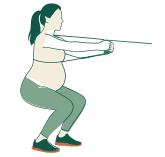
- Include pelvic-floor and strength work. Both can help function in pregnancy and recovery after birth. Technique, symptoms, and comfort matter more than high repetition counts.
- Expect variability. Nausea, fatigue, pelvic pressure, lost sleep, and a changing body alter what is possible. Swap running for walking, shorten a session, or split it into ten-minute blocks. That is adjustment, not failure.
A simple plan
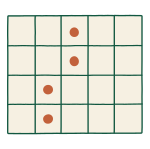
For four weeks, schedule five movement blocks of 20 to 30 minutes. Three can be moderate aerobic sessions; two can pair an easy walk with brief strength work. If that is above your current level, start with four 10-minute walks. Keep at least one fully flexible day for symptoms or appointments.
Before each session, check energy, dizziness, pain, heat, and any guidance from your obstetric team. During it, use the talk test and finish feeling you could have done a little more. Afterward, notice whether symptoms settle by later that day. Add 10 to 20 minutes to the weekly total only when the current amount feels comfortable.
How to know it is working
If you get stuck
Break the session into smaller pieces and cut logistical friction. A ten-minute walk after a meal, a home stationary bike, or a pool session may work when a formal workout does not. If pelvic girdle pain, urine leakage, heaviness, or abdominal discomfort limits movement, a pregnancy-informed physical therapist can modify the plan.
Do not treat wearable recovery scores as permission or prohibition. Symptoms, medical guidance, and how activity affects function matter more than a device's readiness label. If exhaustion is new or out of proportion, consider anemia, sleep problems, or another health issue rather than prescribing more exercise.