Loading dashboard
RMSSD estimates short-term beat-to-beat heart-rate variation, which can add context about autonomic recovery and strain when compared with a person’s own consistent baseline.
Reflects autonomic regulation and recovery strain; useful for context around sleep, alcohol, stress, illness, and training.
No universal good range; higher personal 7-30 day baseline is useful when RHR, sleep, and stress also improve.
Aerobic training, sleep loss, alcohol, infection, stress, dehydration, hard training, heat, and device changes.
Biomarker unavailable
Connect a health device or import labs to see your personal trend here. Your data stays private.
Connect a deviceRanked by evidence, biomarker relevance, and how cleanly it can be measured at home.
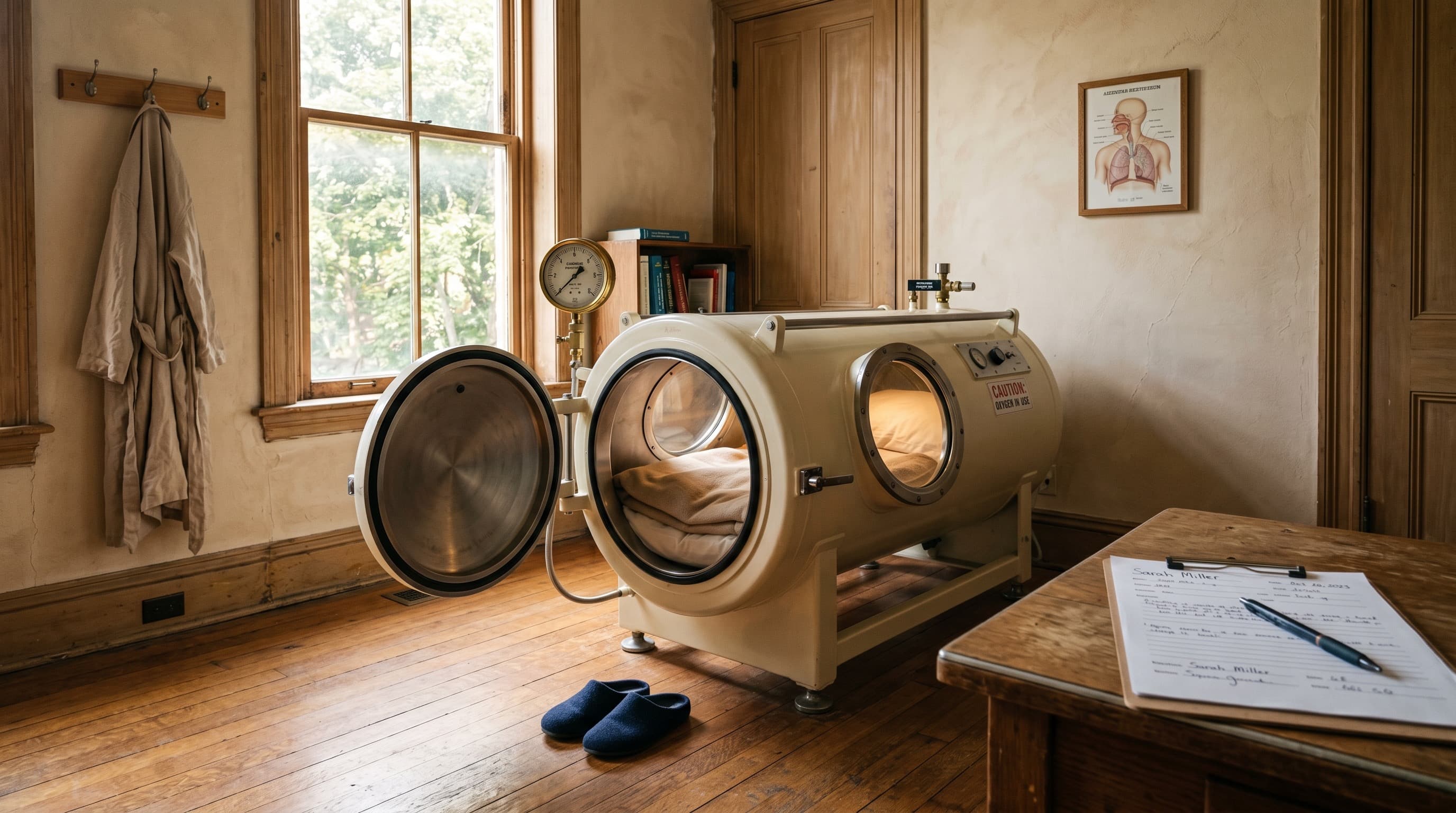
Lower recovery load gives the vagal system more room to rebound during sleep, raising RMSSD.

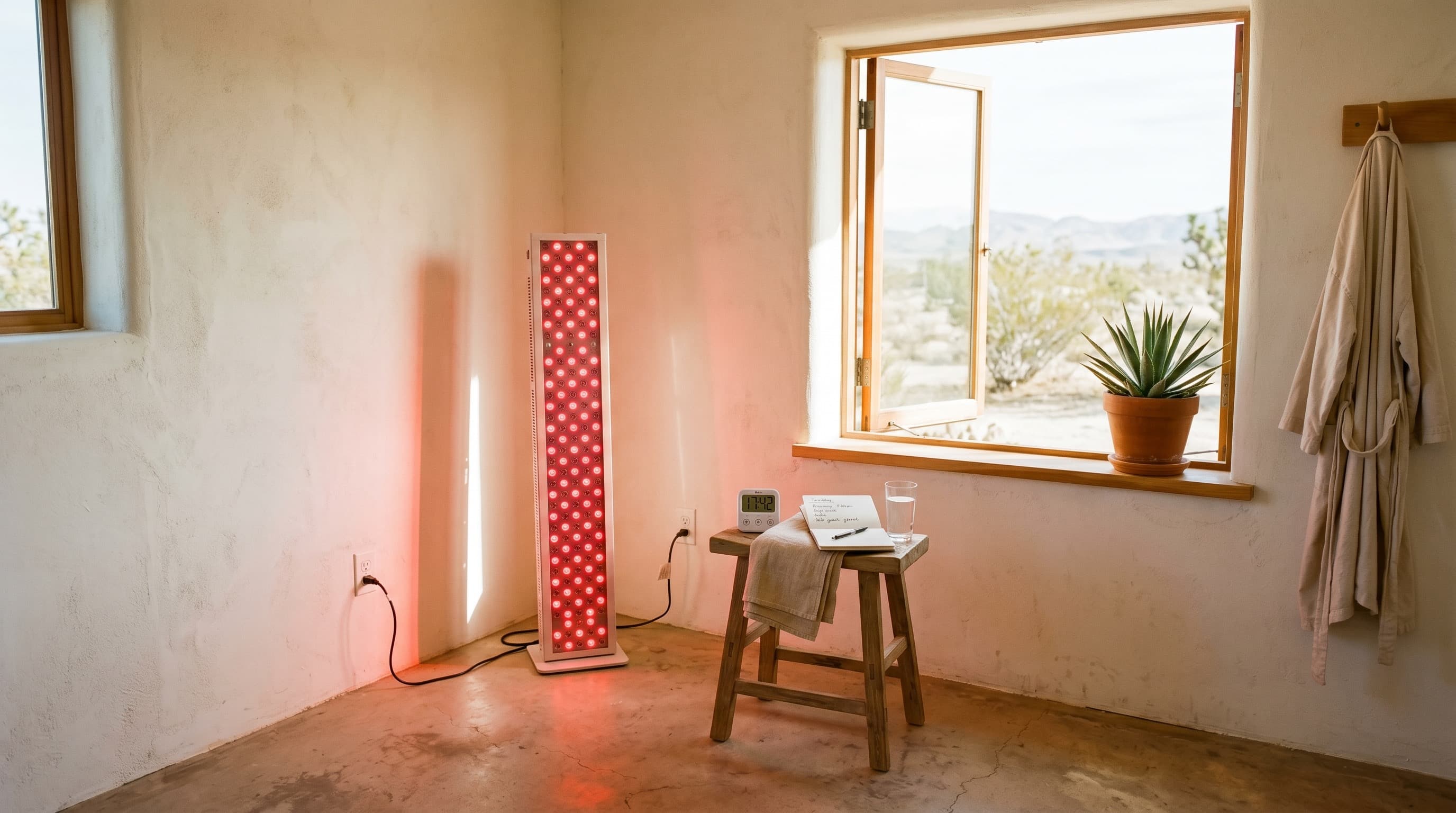
Workout stress, heat stress, fluid loss, and cooldown shift autonomic load; RMSSD drops when recovery cannot keep up.

Stable sleep timing reduces autonomic arousal and supports stronger parasympathetic recovery during the night.

The workout spikes stress first; adequate recovery restores parasympathetic rebound, while overload suppresses RMSSD.

Cold shifts the nervous system toward sympathetic drive; overnight RMSSD reflects whether parasympathetic recovery returned.