Loading dashboard
Resting heart rate measures how often the heart beats during quiet rest, which can reflect fitness, recovery, illness, medication effects, and other changes over time.
Reflects aerobic fitness, recovery load, stress, illness, alcohol, sleep disruption, and whether an experiment adds strain.
Typical adult range: 60-100 bpm; lower trends matter when sleep, recovery, and training load are stable.
Cardio training, sleep, alcohol, heat, illness, hard training, travel, dehydration, medications, stress, and device changes.
Biomarker unavailable
Connect a health device or import labs to see your personal trend here. Your data stays private.
Connect a deviceRanked by evidence, biomarker relevance, and how cleanly it can be measured at home.

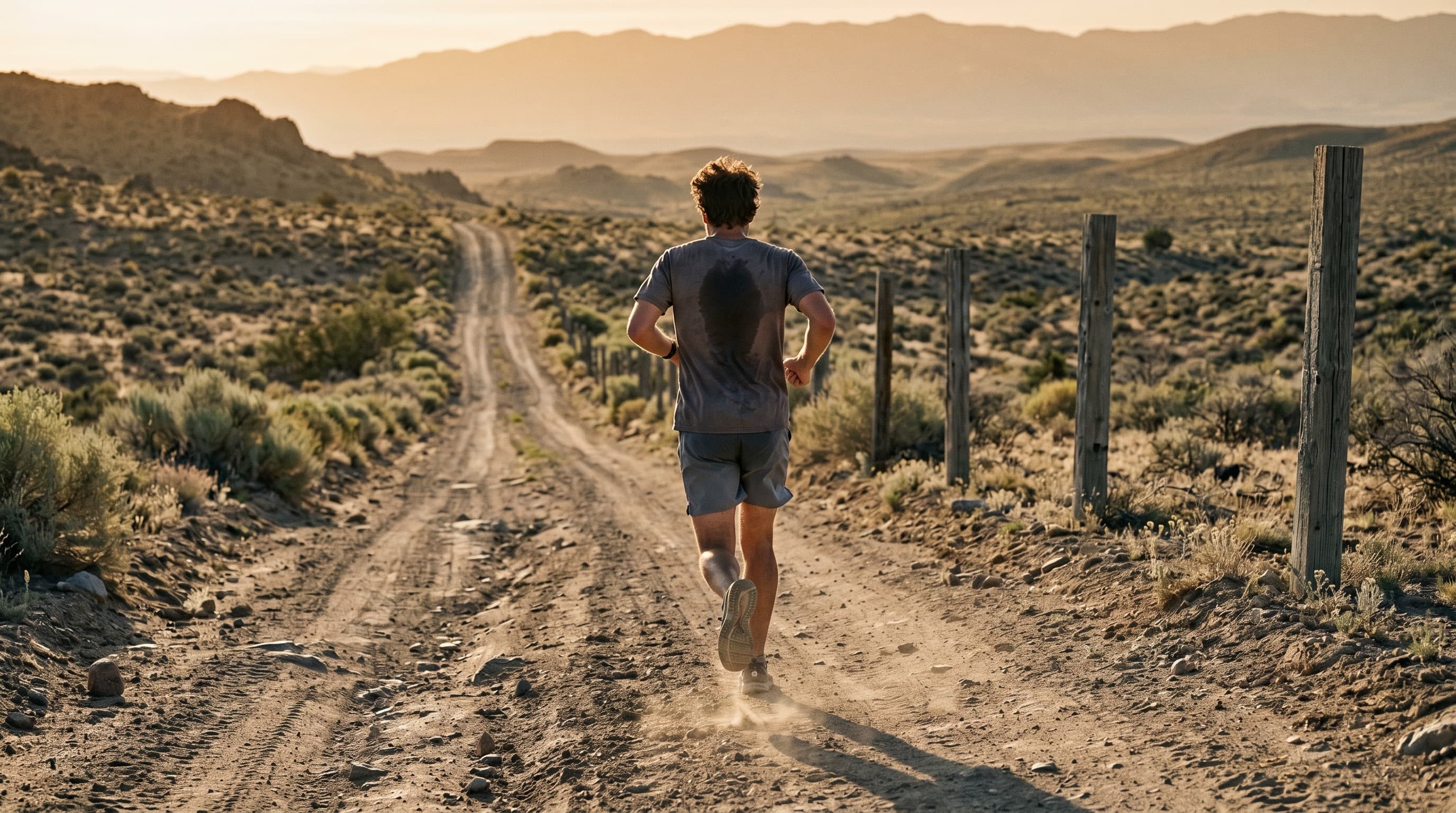
Easy extra walking improves aerobic efficiency and stroke volume, reducing the resting beats needed when the added dose stays recoverable.
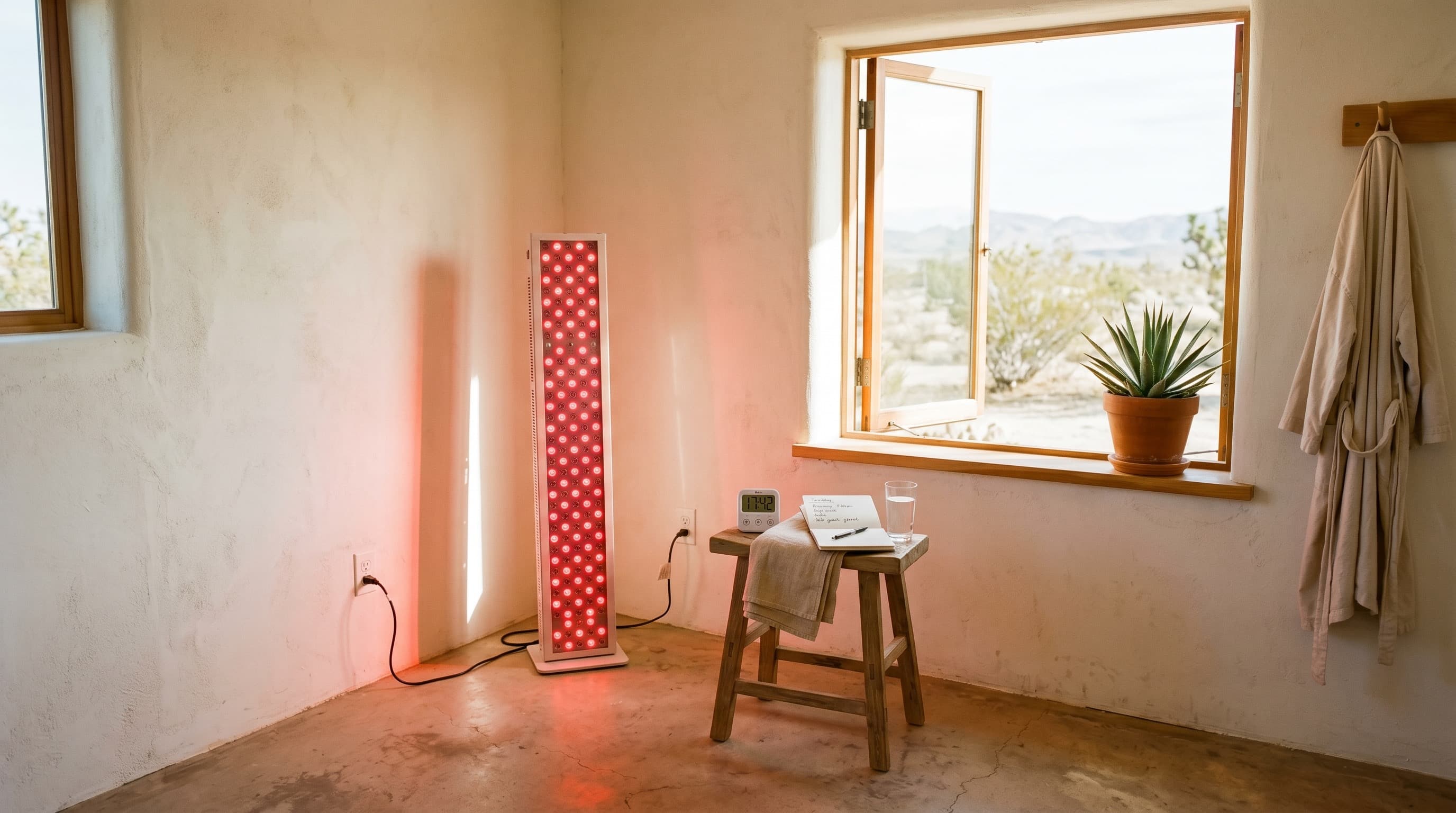
Red/NIR exposure supports nitric-oxide signaling and inflammatory balance, lowering overnight recovery demand and resting pulse.

Daily 93 C post-workout heat keeps cardiac output high; adaptation lowers resting pulse, while unrecovered heat and training push it up.
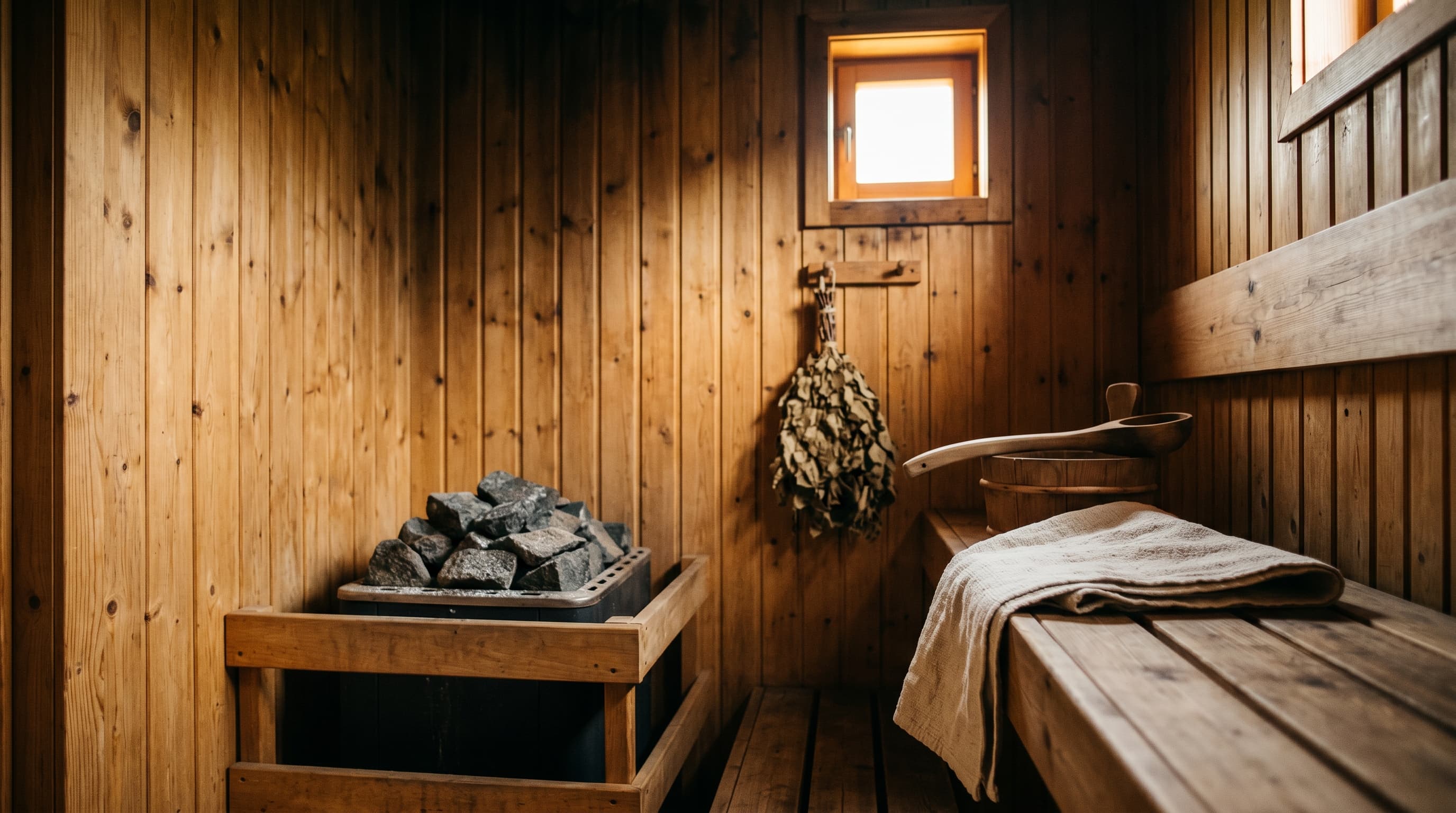
Sauna raises heart rate during heat exposure; repeat tolerance lowers resting strain after recovery.

Aerobic power and stroke volume adapt, letting each beat move more blood and lowering the pulse needed at rest.